




Drug development often takes more than ten years and can cost over $2 billion per successful drug candidate. A major reason is that animal models often fail to accurately predict human responses, forcing companies to repeat expensive development cycles.
At the same time, regulatory agencies worldwide are increasing pressure to reduce animal testing, creating demand for more predictive and human-relevant testing methods. Cosmetics companies face similar challenges, particularly when evaluating chemical safety, skin irritation, and disease-specific treatments.
Ourobionics addresses this challenge through a novel biofabrication platform that uses high electric fields instead of conventional bioprinting techniques. Its technology offers a more accurate alternative to animal testing for pharmaceutical, cosmetic, and future regenerative medicine applications.
To better understand how they are doing it, we spoke to John Zandbergen, CEO of Ourobionics. This article contains notable highlights from our entire conversation.
Other startups working on growing human tissues and organs in lab


This interview is part of our exclusive Scouted By GreyB series. Here, we speak with the founders of innovative startups to understand how their solutions address critical industry challenges and help ensure compliance with industry and government regulations.
(Know more about startups scouted by GreyB!)
“We’re creating biosensors sensing for something like pH or temperature. We’re creating an extra data layer, and then you’re also able to test it in real time.”
— John Zandbergen

John Zandbergen brings entrepreneurial drive, commercial discipline, and deep-tech translation experience to Ourobionics. His 20+ years of international business experience, including sales and marketing leadership roles, give him the skills to connect advanced science with customer needs, partnerships, and market pathways.
He has also helped position CHIMERA, Ourobionics’ electric-field-based biofabrication platform, as a route to more realistic skin models for drug testing, toxicity studies, and regenerative medicine.
Under his leadership, the company secured support from ION+2 and NXTGEN Hightech, launched CHIMERA for academic and research users, and entered the UNIQUE SKIN partnership with SBMC.
New Gold Standard for Skin Testing in Pharma And Cosmetics
Ourobionics uses a proprietary electric-field-based biofabrication technology to develop human tissue models for drug development, cosmetics testing, and regenerative medicine. The method allows cells to be deposited with high precision while preserving their viability and ability to grow.
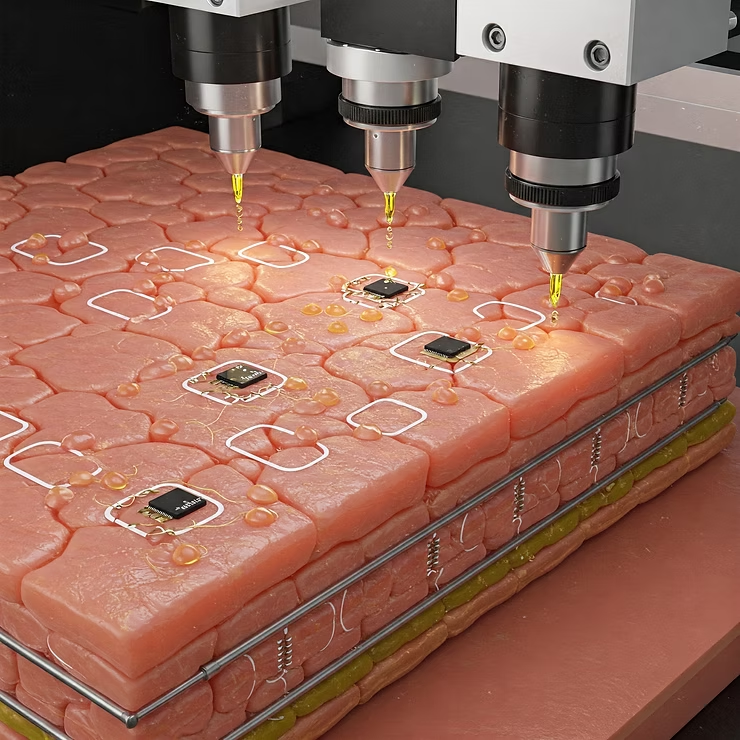
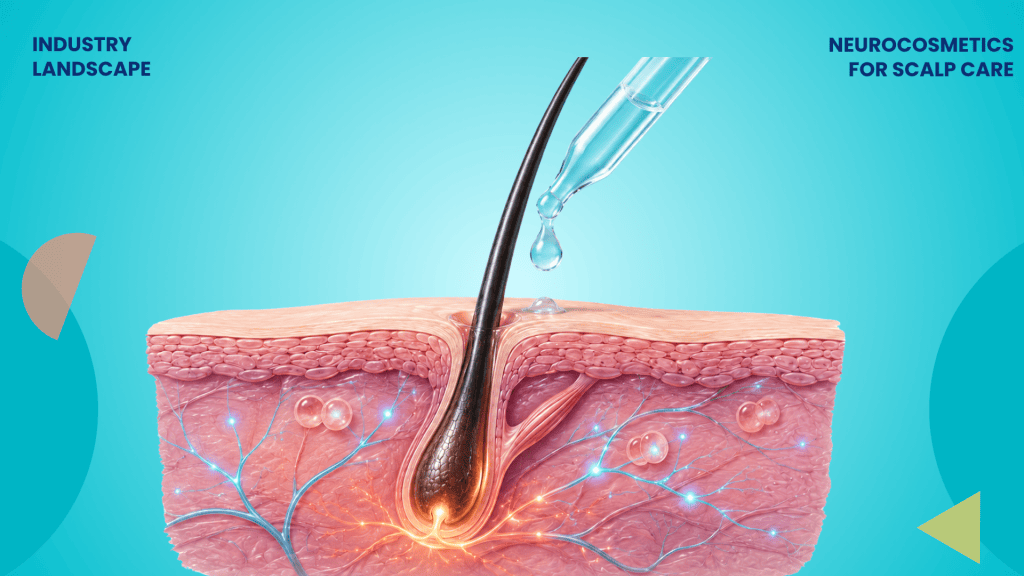
The company’s initial focus is on creating highly complex skin tissues that more closely resemble real human skin than existing laboratory models. These tissues include structures such as hair follicles, sweat glands, vascular features, and embedded biosensors that generate real-time biological data.
By improving the realism and functionality of tissue models, Ourobionics aims to accelerate the replacement of animal testing and improve the predictability of preclinical research.
Why did you decide to focus on replacing animal testing?
John: Animal testing remains one of the biggest bottlenecks in pharmaceutical development. Besides the ethical concerns, animal models often fail to accurately predict what happens in humans. That means companies spend years and billions of dollars developing drugs that eventually fail during clinical trials.
When I entered the bioprinting field in 2020, I spent significant time evaluating existing technologies. What became clear was that many systems were producing impressive research publications but weren’t capable of delivering practical applications. We saw an opportunity to develop technology specifically focused on solving real-world problems, particularly the replacement of animal testing with more predictive human tissue models.
What makes your technology different from conventional bioprinting?
John: Traditional bioprinting typically relies on forcing materials through very thin nozzles to achieve high resolution. The problem is that these narrow nozzles expose cells to substantial mechanical stress, which can damage them and limit their ability to grow into functional tissues.
Our technology uses a high electric field generated between the dispensing nozzle and the printing surface. Instead of pushing material through a tiny nozzle, the electric field pulls the material out. This allows us to use thicker nozzles while still achieving high precision. The result is that cells remain alive, continue proliferating, and can ultimately develop into much more complex tissue structures.
How does the technology enable more realistic human tissues?
John: One of the biggest challenges in tissue engineering is creating complexity. Real human tissues contain many different cell types, biomaterials, and growth factors that must work together while remaining properly organized.
Our platform allows us to encapsulate cells within their own microenvironments. I often compare it to a giant ball pit where every ball contains a different cell type along with the specific growth factors it needs. This enables us to build tissues with significantly greater biological complexity than conventional approaches.
What value does this offer cosmetic companies?
John: Cosmetic companies need reliable alternatives to animal testing, especially as regulations continue evolving worldwide. Existing skin models often lack the functionality required for certain safety assessments and chemical testing.
By creating more complete skin tissues, we can help companies perform testing that would otherwise require animal models. This is particularly important for regulatory frameworks where current alternatives still fail to provide enough biological relevance to fully replace animal studies.
How do embedded biosensors improve tissue testing?
John: The sensors create an entirely new layer of data. Today, many tissue testing methods rely on relatively simple measurements that can be subjective and inconsistent.
By embedding biosensors into the tissue itself, we can monitor parameters such as pH and temperature in real time. Researchers can observe exactly how compounds affect the tissue as the interaction happens. This generates richer datasets and creates a stronger foundation for future AI-driven analysis and predictive modeling.
How do you see the future of regenerative medicine benefiting from this technology?
John: One area we’re actively exploring is regenerative skin applications, particularly for burn treatment. We work with a burn research laboratory in the Netherlands that is interested in incorporating hair follicles into engineered skin because those follicles play an important role in wound healing and regeneration.
Beyond simply replacing damaged tissue, we believe future regenerative therapies could incorporate monitoring capabilities that allow clinicians to better understand how engineered tissues are integrating with the patient’s body over time.
Will you be able to create different types of skin models?
John: Absolutely. Human skin varies significantly from person to person, and different applications require different models. Future iterations will include varying pigmentation profiles and disease-specific tissues.
For example, researchers studying melanoma or atopic dermatitis need models that replicate those conditions. By developing more specialized tissues, we can enable more accurate testing and accelerate the discovery of targeted treatments.
Can the technology scale to meet market demand?
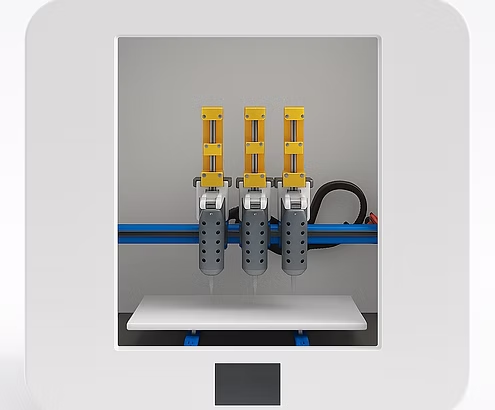
John: Today, we’re still operating at laboratory scale using our Chimera platform, which combines an XYZ positioning system with our electric-field technology. However, scalability isn’t a major technical concern for us.
We’re already working toward a dedicated production machine designed for larger-scale manufacturing. As demand grows, we can increase production capacity without encountering significant technological bottlenecks.
Meet our Interviewer – Shabaz Khan, Marketing Manager at GreyB

Shabaz Khan, Marketing Manager
Want to find other scalable startups working on human tissue and organ development? Please fill out the form below to contact our experts.