



From ancient desert rituals to scientifically tested formulas, Middle East beauty is not just catching up to K-beauty. It’s creating what K-beauty never achieved.
Ten years ago, the beauty industry kept asking one question: why was everyone so fascinated with Korean skincare? The curiosity wasn’t just about something new. It was about what K-beauty had discovered that others had overlooked.
K-beauty demonstrated that a regional beauty tradition, refined by science, and boosted by social media, could become a global phenomenon. As Kim Byoung-hoon, CEO of Korean beauty and technology company APR, states,
If the past popularity of K-beauty stemmed from its uniqueness… today it is evolving into a realm of trust and verification combined with science and technology.
Today, K-beauty has matured into an established global category. The question now is what the next major innovation in the beauty space will be. The K-beauty trend is not ending; rather, it is being joined by emerging beauty brands that appear to be following a similar path.
The industry notes a surge in innovations that focus on inclusivity, climate performance, and genuine heritage. This is where the Middle East beauty trends, also known as Arab Beauty or A-beauty holds a natural advantage. It has now started to gain traction in the cosmetic world. The region’s online consumers, especially younger people, are influencing beauty trends through social media, influencer brands, and a focus on high-quality skincare and fragrance. The growing global impact of this movement is reflected in the rise of Middle Eastern-founded brands: The Cosmetify Q1 2025 Beauty Index named Huda Beauty (Arab’s major cosmetic brand) as the world’s most popular beauty brand, surpassing Korean labels in the ranking.
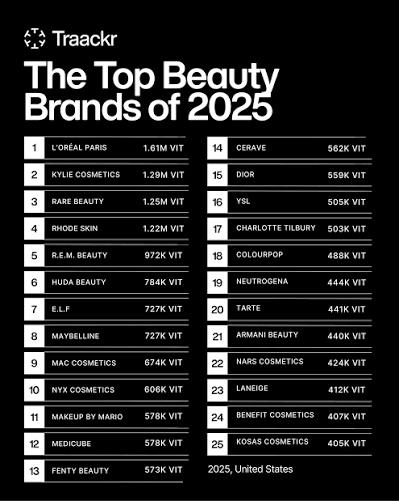
This growing influence is also attracting major international beauty companies to strengthen their presence in the region. L’Oréal has identified Saudi Arabia as a key innovation hub, using the area’s changing beauty landscape, consumer behavior, and technological capabilities. The numbers validate the same In 2025, the Middle East region was the fifth-largest contributor to L’Oréal’s global growth, driven largely by Saudi Arabia. L’Oréal’s Managing Director publicly stated that “Saudi Arabia is a dream market for the beauty industry”
So what is behind A-beauty’s rise? Three factors give Arab beauty the edge: ingredient innovation, market positioning, and formulation science. Each advantage is rooted in centuries of regional knowledge, now being validated by modern clinical research.
The Ingredient Trend: Traditional Actives Combined with Clinically Proven Actives to Meet Global Beauty Demands
K-beauty’s rise worldwide was partly driven by its ability to turn unfamiliar ingredients into consumer favourites. Snail mucin is one of the strongest examples of this change. TikTok users frequently share before-and-after experiences showing improved hydration, smoother texture, and a healthier-looking skin barrier after using snail mucin serums. The ingredient comes from mucus secreted by snails, collected, filtered, and added to cosmetic products without using any part of the animal itself. This combination of an unusual origin story, traditional appeal, and consumer-reported results helped convert snail mucin from a niche ingredient to a globally recognized one in the skincare domain.
Now, a similar opportunity is emerging for Arab beauty, which is building its own narrative around culturally significant actives backed up by centuries of traditional use. Ingredients such as black seed, date extracts, camel milk, frankincense, saffron, and sidr leaf carry both heritage value and growing scientific interest as researchers investigate their antioxidant, anti-inflammatory, and skin-supporting properties.
Demand for these traditional Middle Eastern beauty ingredients has jumped by over 200% in recent years. This surge is driven by a growing consumer interest for “ancient beauty rituals”, a trend that has become one of the fastest-growing beauty topics on TikTok, with nearly a billion views. While this trend includes a variety of practices from India (like hair oiling, ubtan, and navel oiling) to East Asia (including rice water and sheet masks), Arab beauty stands out as the most prominent emerging category. As per researches, regional ingredients such as camel milk, frankincense, and Taif rose are getting science backed to help create Arab Beauty a category that now commands global attention alongside international phenomena like K-Beauty and Ayurveda.
Some notable Arab ingredients include:
Black seed oil
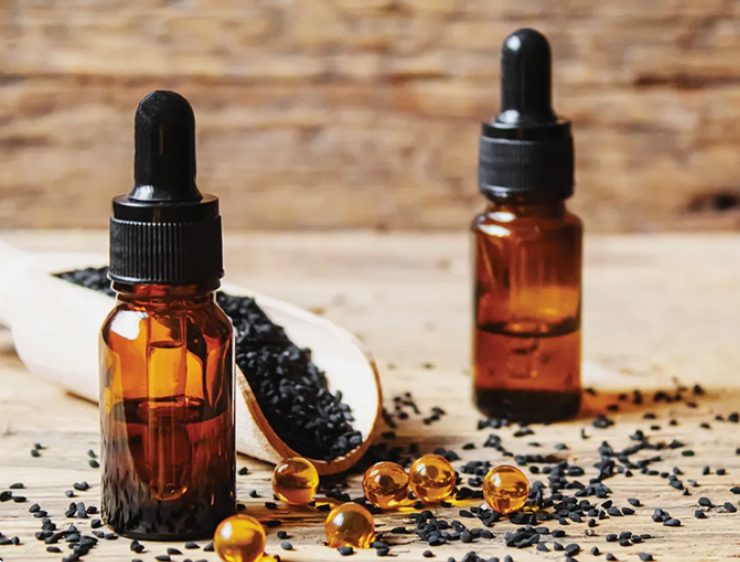
Black seed oil (Nigella sativa) has been a staple in Arab and Islamic medicine for centuries. It has been recorded in historical texts as a remedy for various skin issues and respiratory conditions. However, for most of that time, its use in modern cosmetics was limited due to a practical issue: thymoquinone, the primary active compound in black seed, is notoriously unstable. It deteriorates quickly when exposed to heat and light, making it hard to incorporate into stable cosmetic formulas at effective concentrations.
This stability problem is now being directly addressed. A 2024 review in the International Journal of Molecular Sciences identified thymoquinone as a powerful anti-inflammatory, antioxidant, and antimicrobial agent with clear potential for dermatological use. More specifically, a patent-pending formulation called B’utyQuin tackled the stability issue by standardizing black seed oil to a consistent 3% thymoquinone concentration using an encapsulation method that protects the active from heat and light degradation. Clinical trials have shown measurable mitochondrial rejuvenation in aging skin by use of this solution.
Camel Milk
Camel milk contains natural alpha-hydroxy acids and high levels of Vitamin C, remaining stable at high temperatures. It also has a high degree of collagen and elastin, which are not found in cow’s milk. Its potential in preventing skin cancer, treating dandruff and seborrheic dermatitis, and addressing acne scars makes it a compelling choice for skincare products. The lipid content is also very high which helps provide deep moisturization for dry to sensitive skins. Due to its anti-inflammatory and antimicrobial property, camel milk is also beneficial for the people with acne-prone skin.
These multiple benefits position camel milk as a standout ingredient in the beauty space. Milk-based cosmetics, in general, are very promising. Goat milk is already used in lotions and shampoos, while cow milk is present in soaps and body lotions. However, camel milk offers a distinct advantage: research shows it has a higher concentration of bioactive components than ruminant milk and goat and cow milk. As researchers note, there is currently limited information in literature regarding the use of camel milk in cosmetics and their benefits, making this an emerging category worth watching.
Also Read:
Arab brands are combining tradition with clinical rigor
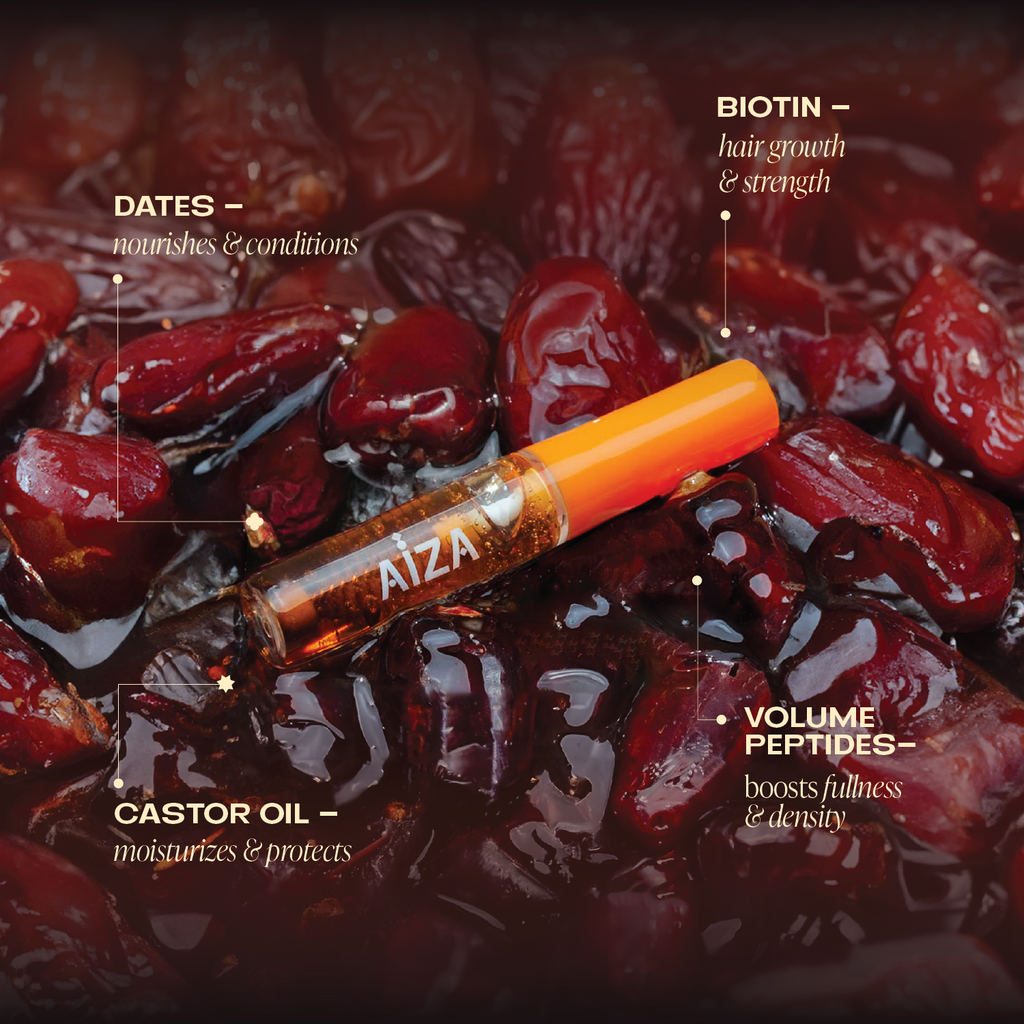
AÏZA, a UAE-based beauty brand backed by beauty group Amaani (which raised $3M from Peak XV’s Surge fund in 2024), follows this approach. It combines culturally significant ingredients such as dates, black seed, bakhoor, sidr, frankincense, and saffron with clinically established actives like niacinamide and hyaluronic acid. Its formulations are developed in collaboration with laboratories across Italy, Japan, and South Korea. The result is a product range that shows amplified results as it is both culturally rooted and scientifically sound.
The global beauty industry is also taking notice of this. In 2026, AÏZA was the only brand from Middle East to be named to BeautyMatter’s NEXT50. The annual list highlights the 50 most innovative independent beauty brands worldwide that are on the verge of scaling up.

Cultural Advantage: Built for Skin Tones the Industry Ignored
For years, one major criticism of K-beauty has been its limited shade range. For example, Korean BB and CC creams have historically lacked deeper shades. This issue arises not just from cultural preferences, but also from formulation chemistry. These creams use zinc oxide and titanium dioxide in higher amounts for better sun protection. Both minerals are bright white in their raw, unformulated state and inherently opaque. A 2026 study noted that these ingredients often leave a white cast, particularly on dark skin, hence making these products unfavourable.
So creating a product that is both deeply pigmented and effectively sun-protective using these compounds requires significant reformulation and not just a simple colour adjustment.
Why this matters?
Commercially, this problem matters. The U.S. Black beauty market has grown by 14.2% annually since 2024. As per Pascale Brousse, author of a recent study on how matte to dark skin tones are represented in the global beauty industry, “Black women use seven times more beauty products for their bodies and hair routines” compared to the average consumer. Despite often having lower purchasing power, these consumers buy more and spend more on beauty products. Industry experts at Estée Lauder have confirmed that formulas are often still designed based on what is known about white skin types, which means those formulations frequently perform poorly on darker skin.
Korean brands have begun responding, actively marketing in Kenya and Nigeria and expanding shade ranges. But overcoming the ingrained perception of being designed for lighter skin tones is still a slow and costly repositioning effort. For instance, when Korean brand TIRTIR expanded from just 3 shades to 40 based on influencer feedback, they experienced a remarkable 55,465% increase in U.S. sales. This shows demand so strong that it is having impacts in the Korean domestic market as well.
Arab beauty brands made shade inclusivity the standard
Arab beauty begins from a fundamentally different place. The Gulf region has a wide range of skin tones, from pale to deep brown. Successful Arab brands have had to cater to that entire spectrum from the start, not as a later strategy, but as a basic necessity.
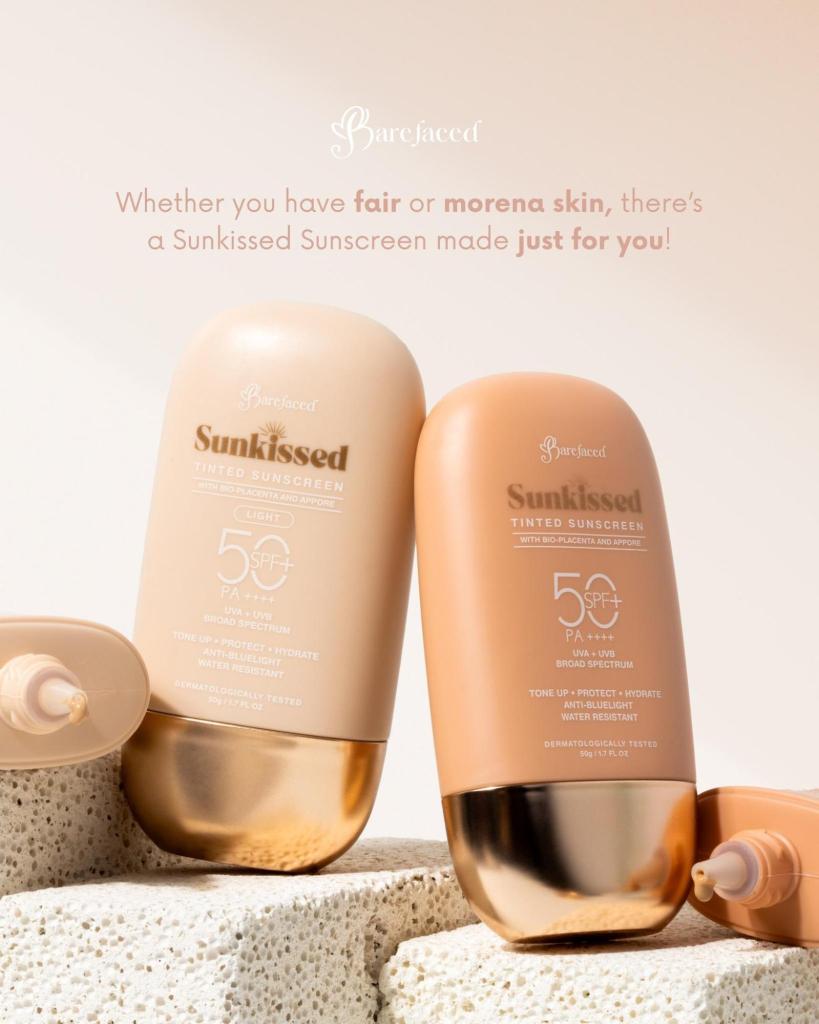
Huda Beauty, the most recognized Arab beauty brand globally, built its reputation by offering products for skin tones that mainstream companies have neglected for years. Its Huda Beauty’s signature foundation FauxFilter was released in around 39 shades. SunKiss, a UAE-born brand makes sunscreens which are ideal for usage on all shade types.

Arab based sunscreen brands often cite “no white cast” as a primary design objective, specifically marketing their formulas as vanishing on all skin tones, with the Gulf climate as the testing ground. For example, SunKiss, a UAE-born brand, makes sunscreens ideal for usage on all shade types. They are known to leave no white cast and can blend seamlessly into all skin tones.
Retrofitting shade inclusivity into existing product lines requires re-engineering entire formulations, re-launching with expanded shade ranges, and overcoming years of ingrained consumer perception. It is costly, slow, and technically limiting. Arab brands have an advantage because shade inclusivity is built into their brand’s DNA from day one rather than introduced later as a response to consumer demands.
Other Middle Eastern beauty trends are also gaining global attention. Halal-certified beauty is moving beyond religious compliance and becoming a wider mark of quality. Regional ingredients such as frankincense and myrrh are appearing in skincare for their hydration benefits. At the same time, established ingredients such as argan oil may still hold untapped R&D potential.
Howver, the challenge is that these signals sit across patents, research papers, product launches, and regional markets. Slate brings them together in one place, helping R&D teams identify emerging opportunities before they become obvious. Ask Slate:
What are the latest Middle Eastern beauty trends shaping the global beauty market?
Climate Responsive Beauty: How Middle Eastern Brands Are Engineering More Resilient Formulations
K-beauty was optimized for Seoul’s four distinct seasons and temperate humidity, where skin responds well to light layering and water-based ingredients. Take those products somewhere like Riyadh in August, where temperatures soar above 48°C and humidity fluctuates wildly, and the performance story changes.
The global beauty industry is just starting to recognize what Arab brands have understood for years. A fast-growing $2 billion segment called ‘climate-responsive beauty‘ is emerging. Notably, within this category, hot and humid climate formulations show the highest demand. Arab beauty brands have been solving precisely this problem, under genuine pressure, for years.
“If a product can withstand Gulf heat, it can withstand anything.” – says a beauty industry analyst, on the Gulf as a performance benchmark
Products developed for the Middle East must withstand extreme climate and demanding consumer expectations. The R&D protocols, therefore, include rigorous stress-testing under local conditions, such as high heat, humidity, and real-world usage, to guarantee performance and durability.
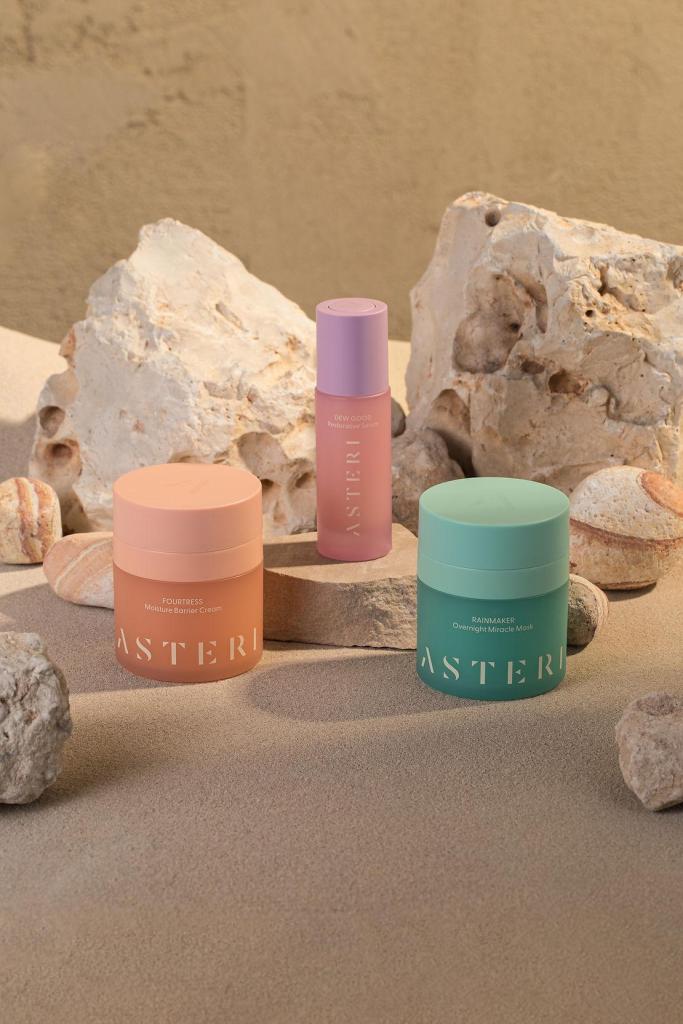
For example, The Saudi color cosmetics brand Asteri Beauty makes every product including lipstick, eyeshadow and blush to be tested under extreme conditions. The brand has recently expanded into skincare, carrying forward its climate-focused formulation philosophy. The formulations undergo rigorous testing across extreme conditions ranging from -10°C to +50°C and humidity levels of 20% to 98% to ensure they remain comfortable, stable, and effective across diverse environments.
Additionally, Saudi and UAE brands are increasingly highlighting “heat-proof” and “humidity-resistant” claims in makeup and skincare, with many incorporating desert-adapted ingredients (e.g., date palm or frankincense) that naturally thrive in arid conditions.
This has overall helped position Gulf R&D as a gold standard for markets in Southeast Asia, Africa, and other hot climates.
The Path Forward
To be clear, nobody suggests that K-beauty is going out of style or that it’s declining. It remains a major player in cosmetics.
The success of K-beauty relied on both timing and talent. The ingredients existed for years before the world took notice. What changed was that cultural, commercial, and digital conditions came together, and the world was finally ready to engage.
Arab beauty is at a similar turning point now. It offers climate-resilient formulations tested in desert conditions. Ingredients with centuries of documented use, now being validated by peer-reviewed research and protected by active patent filings. Shade inclusivity that was built in from the start, not added later. Major companies like L’Oréal are already making strategic investments in the MENA region.
The brands that move now, understanding what A-beauty has built and why it is commercially relevant will be positioned. The ones who wait to be convinced by the market will be learning from the brands that got there first.