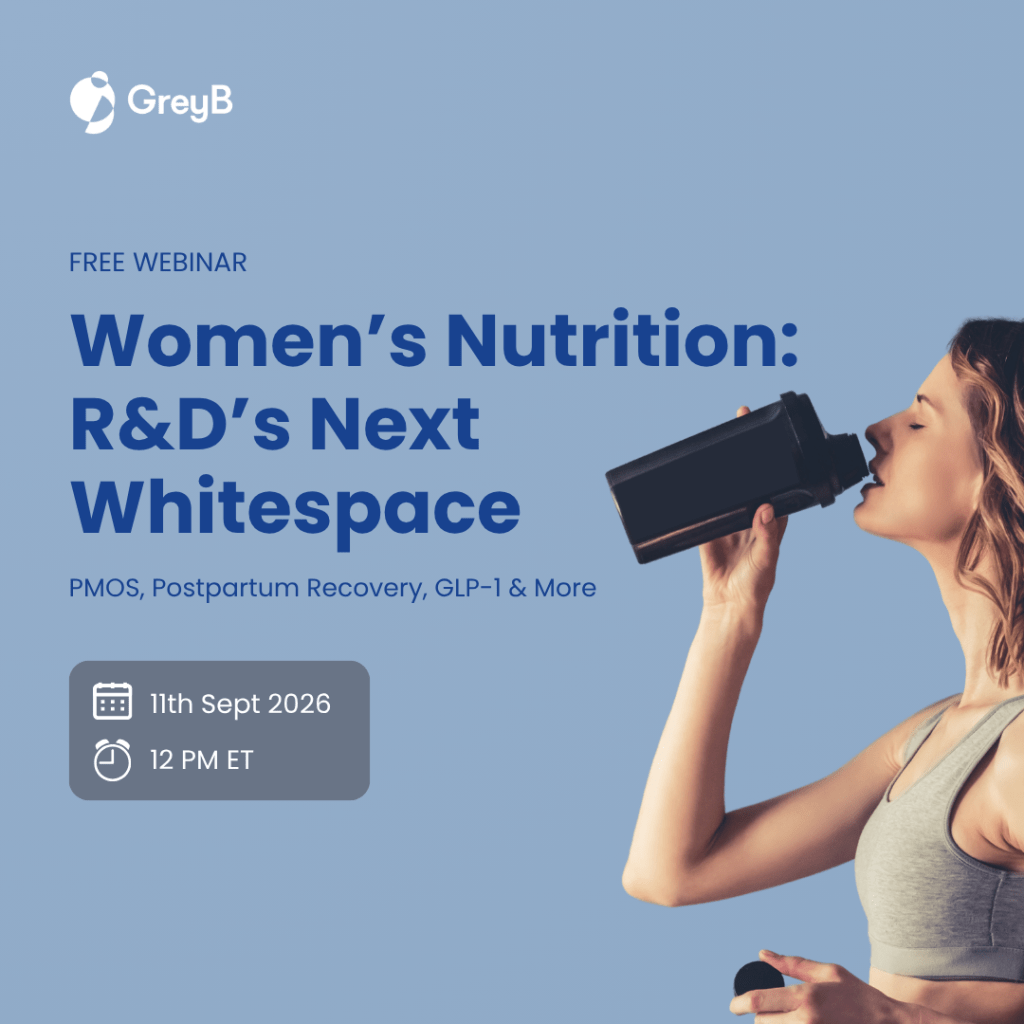
Women’s health nutrition has been underfunded for decades. But Nestlé now treats it as a main growth area, not a side project. DSM-Firmenich has also built a dedicated ingredient line for it.
Nutrabolt invested in Bloom Nutrition to branch into the growing health, greens, and superfoods market. The partnership allowed them to launch an entire product line built specifically for women, offering approachable, delicious, and better for you drinks designed with their needs in mind.
Even startups like Perelle are applying the same logic with life-stage specific vitamin formulations, pre-sorting clinically backed ingredients into single dose daily packs.
Product activity in women’s nutrition is growing, from Nestlé’s stage-specific Materna products for preconception, pregnancy, and postpartum recovery to functional beverages and new maternal nutrition formats. At the same time, companies are testing these approaches through clinical research and building patent portfolios around specific formulations. But most of the science behind these innovations is scattered.
- Companies are targeting separate needs such as menopause, PCOS, hormonal health, and postpartum recovery, but their approaches remain fragmented with little overlap or connection.
- Patent activity remains limited across several women’s health needs, suggesting that areas such as pregnancy nutrition, postpartum recovery, and PCOS still have room for new product and formulation development.
- Despite growing investment and product activity, R&D teams still lack a clear view of which women’s health needs have the strongest evidence, the largest unmet gaps, and the best potential for new product development.
In this webinar, we’ll go through what role nutrition plays in pregnancy, postpartum recovery, PCOS, and menopause, and where the gaps lie.
$62.26 billion
Global market for women’s health supplements in 2025
14.34%
Yearly growth rate for PCOS supplements – the fastest growing part of this market
2%
share of healthcare funding that currently goes to women’s health
This webinar will help you find answers to:
- Why companies like Nestlé and dsm-firmenich are putting real money into this space, and what that means for F&B companies’ next R&D focus?
- What are food companies doing to treat the cause of PMOS instead of the symptoms?
- How could rising GLP-1 use after childbirth affect postpartum nutrition, recovery, and breastfeeding support?
- Which nutrition solutions are ready for product development, and what evidence supports their use across pregnancy, postpartum, and menopause?
- Why are companies moving from pills and powders to foods such as cookies and snack bars for lactation and iron support, and how effective are these formats?
- Why does patent activity remain limited in women’s health and pregnancy nutrition, and which innovation areas are being overlooked?
- Where the strongest new product opportunities lie following the NIH’s call for more pregnancy-specific nutrition research.
Find what’s already working, who’s building it, and where you can have a competitive edge.
Save your spot!