


The transportation sector is one of the largest sources of global emissions, accounting for around 23% of energy-related CO₂ emissions worldwide. While electric vehicle adoption is increasing, replacing the millions of existing internal combustion engine vehicles on the road remains a slow process. In the United States alone, vehicles on the road have an average age of more than 12 years, meaning fossil-fuel-powered vehicles will continue contributing emissions for decades. At the same time, producing new vehicles creates additional environmental costs, with vehicle manufacturing responsible for a significant share of lifecycle emissions..
Petawatts addresses this gap by retrofitting existing RVs, buses, boats, and other leisure vehicles into electric platforms.
To better understand how they are doing it, we spoke to Attila Molnar, Founder of Petawatts Auto Marine RV Ltd. This article contains notable highlights from our entire conversation.
Related Read:

This interview is part of our exclusive Scouted By GreyB series. Here, we speak with the founders of innovative startups to understand how their solutions address critical industry challenges and help ensure compliance with industry and government regulations.
“To cut emissions fast, we need to work on existing fleets and retrofit as many vehicles as we can into electric.”
— Attila Molnar

Attila Molnar is the founder and CEO of Petawatts Auto Marine RV Ltd. Originally from Hungary, he holds a BSc in Organising and Informatics from Óbuda University (1992–1996).
He worked at Shell’s global customer loyalty strategy before spending two years traveling by RV with his family across North America, from Montreal to Guatemala. He founded Petawatts in Vernon, BC in 2024.
Under his leadership, Petawatts converted the “Orange Boat” from The Grand Tour’s “Oh, Canada” episode into an electric vessel, which won the Best Custom Vintage Vehicle Prize at a 2026 Vernon show.
Petawatts’s vision for electric recreational mobility
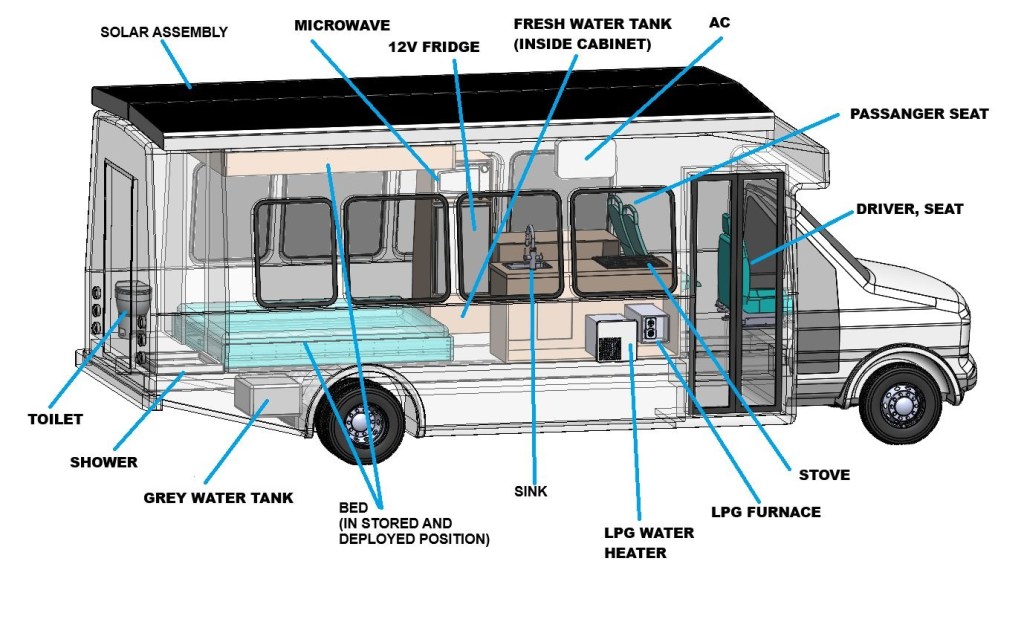
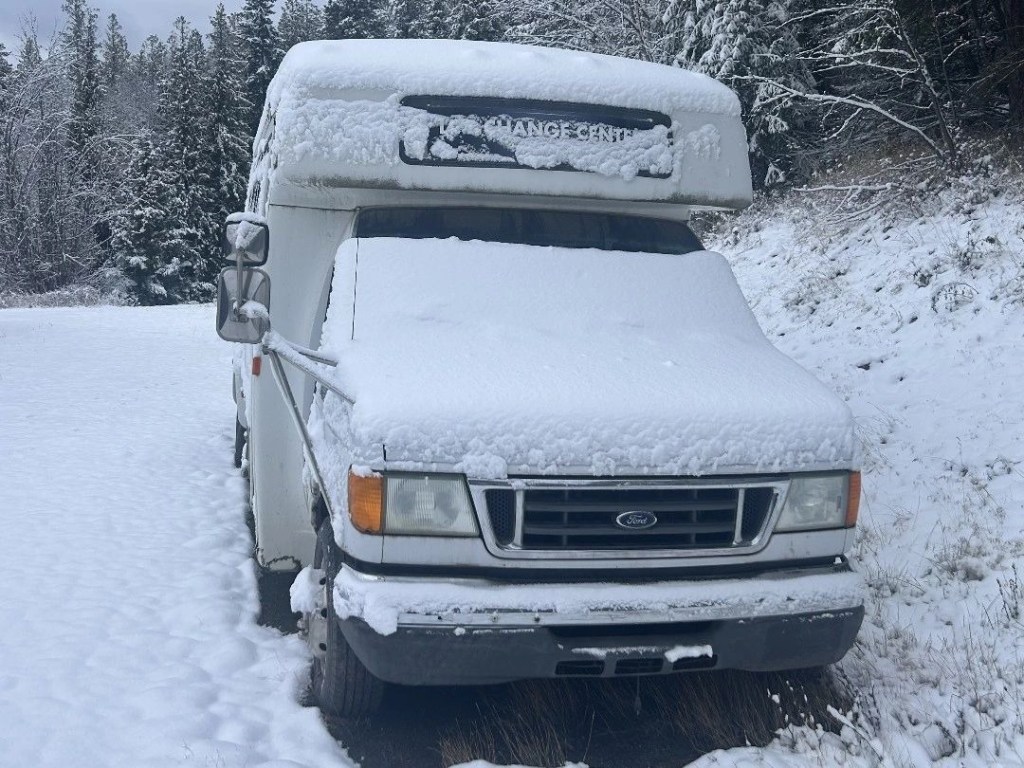
Petawatts is a Canadian cleantech startup working on the electrification of leisure and tourism transport. Its current approach combines commercially available motors, batteries, software, and solar charging technologies into vehicle-specific conversion systems. Alongside its ongoing conversion work, the company is collaborating with university teams to develop a more standardized retrofit platform, with the Ford E450 bus chassis as one of its initial focus areas.
What is Petawatts building, and why did you choose to focus on retrofitting existing vehicles?
Attila: Petawatts started from my own experience traveling across North America for two years in an RV. During that journey, I saw firsthand how much fuel was being consumed by recreational vehicles and how much impact these vehicles had on the environment.
I realized that waiting only for new electric vehicles would not be enough to create a meaningful change. We need to transform the vehicles that are already operating today. That is why we focus on retrofit solutions for RVs, boats, classic cars, and medium-sized buses.
Why do you believe the recreational vehicle market is a strong opportunity for electrification?
Attila: The recreational vehicle market is much larger than just individual RV owners. There are tens of thousands of medium-sized buses, especially Ford E450-based vehicles, operating across North America. Many of these platforms are used for RV conversions, tourism transportation, and other services.
This creates an opportunity not only for individual customers but also for companies, municipalities, and tourism operators that manage vehicle fleets. In the future, our technology could also evolve into a completely new electric RV chassis.
What technical challenges did you need to solve to make electric conversions practical?
Attila: One of the biggest challenges is understanding the real range requirements of these vehicles. Many people believe they need extremely long driving ranges, but during my own two-year trip, we rarely drove more than 250 kilometers in a single day.
Our solution combines battery technology with solar charging and existing range-extension options. Many travelers stay in one location for several days, allowing the vehicle to recharge while parked. This changes how people think about electric recreational vehicles because they can plan travel around charging rather than needing maximum range at all times.
How does Petawatts’s technology work, and what makes your approach different?
Attila: Today, Petawatts is mainly a services business where we integrate existing components such as electric motors, batteries, software, and solar charging systems into a complete retrofit solution.
At the same time, we are working with university teams to develop our own products. We are building toward a manufacturing business where we can create our own electric vehicle platform while continuing to offer conversion services.
What engineering innovation have you developed to improve charging capability?
Attila: Solar charging is one of the biggest challenges because current solar panels are not large enough to fully recharge a large electric vehicle battery. We developed a unique solar charging setup for bus conversions where the panels expand when the vehicle is parked.
This allows us to increase the available solar surface area and achieve over 10 kilowatts of charging from solar alone. In some cases, this can provide 100 to 150 kilometers of additional range in a day, which is enough for many travel scenarios.
How are you protecting Petawatts’s technology and intellectual property?
Attila: Currently, we are protecting our innovations through trade secrets while we complete our prototype development. Once the system is finalized, we plan to file patents for the main components.
We want to first complete the retrofit kit prototype for the E450 bus platform and then move forward with broader intellectual property protection.
What future technology are you developing beyond vehicle electrification?
Attila: We are exploring an additional software layer that uses AI to make the vehicle more intelligent. The idea is that the vehicle should not only display battery information but also help users plan their journeys.
The system could consider factors like weather, available charging, points of interest, parking locations, and personal schedules. Instead of only being a vehicle dashboard, it could become a travel assistant that helps people make better decisions while traveling.
What challenges have you faced while building Petawatts, and how have you overcome them?
Attila: The biggest challenge has been that the company’s vision has evolved over time. We started as a service business focused on installing existing products, but we are now moving toward developing our own platform and technology.
Every camping trip continues to provide new ideas and insights. I enjoy combining modern technology like solar power, internet connectivity, and software with the ability to travel remotely and live more sustainably.
What are Petawatts’s expansion plans?
Attila: Our first focus is completing our retrofit technology and turning Petawatts into a manufacturing business. We are currently developing prototypes with university partners and plan to continue improving the platform.
The long-term goal is to create a new generation of electric recreational vehicles while helping existing fleets transition to cleaner transportation.
Meet our Interviewer – Shabaz Khan, Marketing Manager at GreyB

Shabaz Khan, Marketing Manager
Want to find other scalable startups working on EVs and electrification. Please fill out the form below to contact our experts.