




Electric vehicle development is reaching a point where simply adding more battery capacity is no longer enough. In many cases, the limitation is not the amount of energy a system holds. It is how effectively that energy is used and managed during real driving conditions.
Recent advancements in EV technologies show a clear shift in focus. Instead of relying solely on larger batteries, companies are working to make existing systems more efficient. This includes improving how batteries are used during a drive, how power is shared between them, and how battery packs are designed to remove unnecessary complexity.
At the same time, changes are happening beyond the vehicle. Charging is becoming part of route planning. Station selection is moving from basic availability to actual performance. New diagnostic methods are helping detect problems inside the battery earlier than before. In parallel, material innovations are improving safety in extreme conditions.
Together, these developments show a broader shift. Systems are no longer being improved in isolation. Instead, energy use, charging, performance, and safety are being managed as a connected system.
This article explores a set of such electric vehicle innovations, each addressing a different part of that system, from how energy is used and stored to how it is charged, monitored, and protected.

1. Smarter battery usage in an electric vehicle based on the driving route
Electric vehicles do not use energy consistently throughout a trip. Driving uphill consumes more power, while downhill driving allows energy recovery. However, most dual-battery systems do not adjust to these changes. They use both batteries in a similar way throughout the journey, even when it is not necessary.
To address this, Hyundai Motor Co. introduces a system that uses the planned route as the basis for battery decisions. Instead of reacting only to current conditions, the system looks ahead. It considers factors like road slope, traffic, and weather to estimate how much energy the vehicle will need and how much it can recover along the way.
Based on this, the system decides how to use the batteries at different points in the route. For example, if a stretch of road is expected to generate enough energy from downhill driving, the vehicle can rely on a single battery and send the recovered energy back into it, rather than using both batteries unnecessarily.
The system includes a main battery, a secondary battery, a navigation system, and a control unit that manages power usage. It also tracks battery condition and estimates energy recovery in advance, allowing it to make more informed decisions before the vehicle reaches each segment of the route.
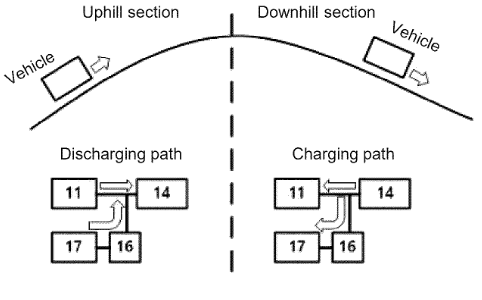
Over time, the system improves its accuracy by comparing predicted energy recovery with actual results from the past trips. This helps it refine future decisions and adapt to real-world driving conditions.
What stands out here is the shift from a fixed approach to a route-aware strategy. Battery usage is no longer decided moment by moment in isolation. Instead, it is planned for the entire journey, making energy use more efficient, especially on terrain with frequent elevation changes.
Related Read

2. More efficient power sharing between two batteries of an electric vehicle
In most electric vehicles with two batteries, the main battery powers the vehicle, while the smaller battery is used only when extra support is needed. To do this, the smaller battery’s output is increased so it can contribute to the driving effort.
The issue is not the use of the smaller battery, but how it is controlled. In current systems, it is usually set to a fixed output level. This means the system does not check whether that level is the most efficient for the current driving condition. As a result, the vehicle may still get the required power, but it can lose more energy than necessary in the process. This becomes more noticeable under conditions such as high-speed driving.
Hyundai Motor Co. takes a different approach by treating the smaller battery as a flexible power source rather than a fixed one. Instead of using a preset level, the system assesses the vehicle’s power needs and compares different ways the smaller battery can meet them. It evaluates the energy loss for each option and selects the one that wastes the least.
Once this decision is made, the smaller battery supplies power at the selected level. The main battery then adjusts its role accordingly. It either provides additional power if needed or absorbs any extra energy.
This changes how the two batteries work together. Rather than assigning fixed roles, the system continuously adjusts its contributions based on what is most efficient at any given moment.
In testing, this approach shows noticeable efficiency gains, especially at higher speeds, with improvements of around 12.7%. This makes it particularly useful in situations where power demand changes frequently during driving.
Beyond how batteries are used, their physical design also plays a key role in improving efficiency.
Related Read

3. Compact battery design with fewer parts
Battery packs in electric vehicles are usually built in layers. Smaller battery modules are first assembled and then placed inside a larger pack with added supports and protective structures. While this approach works, it also adds extra parts that take up space and increase weight without storing energy.
Instead of building the battery this way, Hyundai Motor Co takes a more direct approach. The new design removes the separation between internal modules and the outer pack, and treats the entire battery as a single structure from the start.
The pack is made by stacking battery cells and holding them together using end plates, a central support piece, and a base tray. These parts are firmly connected, so they work as one unit. The end plates keep the cells tightly packed, while the central support piece performs two roles at once. It strengthens the structure and applies even pressure across the cells, helping them stay stable during operation.
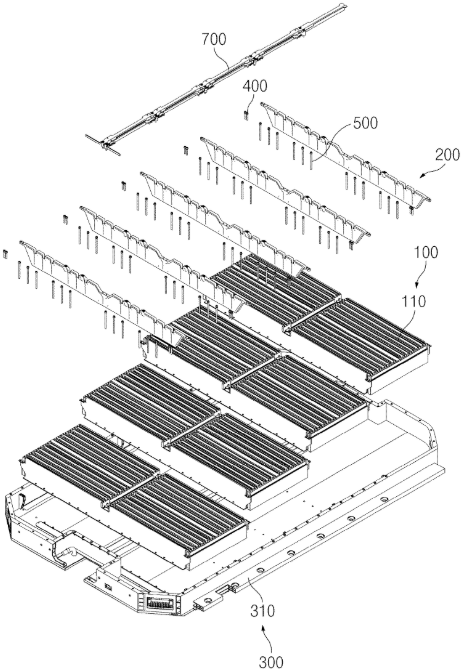
Other supporting elements, such as fasteners that hold parts in place, insulating layers that prevent electrical contact, and guiding features that help align components during assembly, ensure the pack remains secure and properly built.
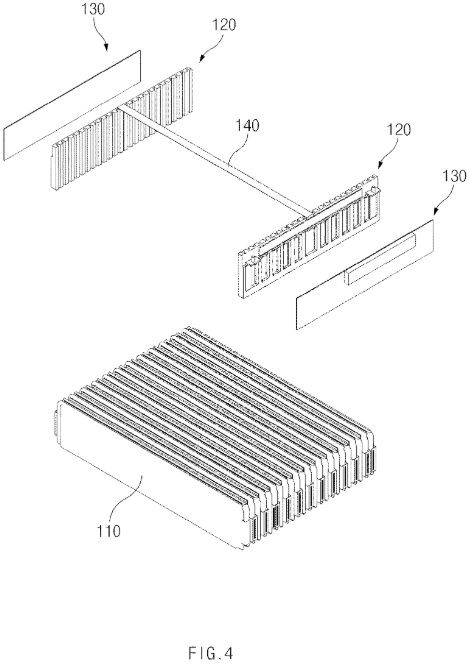
Because these roles are combined into fewer components, the design eliminates the need for separate modules and additional internal layers. The battery is no longer a set of smaller units placed inside a larger frame. Instead, it functions as a single, compact structure where each part serves more than one purpose.
An additional detail is the way the central support piece is designed. Its thickness is carefully controlled so that parts fit together correctly during assembly and remain aligned over time. This improves structural stability and also makes the pack easier to assemble.
The result is a battery that uses space more efficiently. Even without specific numbers, the design clearly aims to fit more energy into the same size, which can help improve vehicle range and overall performance.
While battery design is becoming more compact, charging systems are also evolving to become more intelligent.
4. Route planning that works with wireless charging
As wireless charging roads begin to appear, vehicles are no longer limited to charging only at fixed stations. However, most navigation systems still plan routes based only on distance or traffic. They do not consider where the vehicle can charge while driving. As a result, vehicles may miss charging opportunities or take non-energy-efficient routes.
A new navigation system by Hitachi Ltd changes how routes are planned by treating charging as part of the journey, not a separate step. Instead of simply guiding the vehicle from one point to another, the system looks at where energy can be gained along the way and uses that to shape the route.
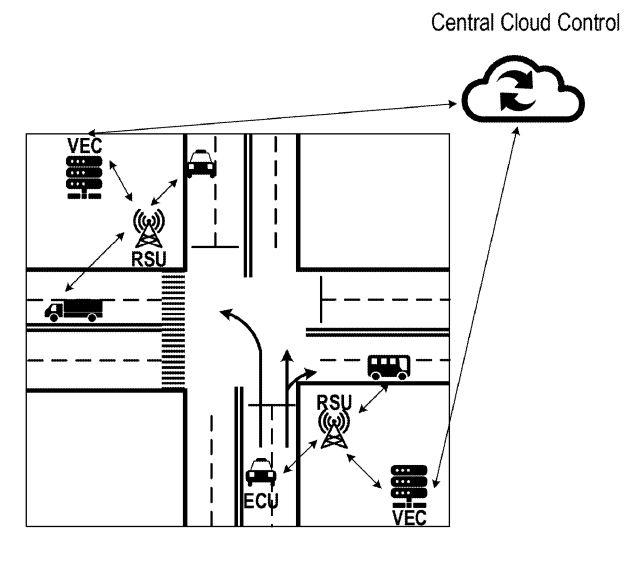
To do this, the vehicle and the surrounding infrastructure work together. The vehicle shares its location, speed, and sensor data, while roadside systems provide information about charging availability and road conditions. A central system processes this data and sends updated instructions back to the vehicle. At the same time, the vehicle can make quick decisions locally when needed.
As the vehicle moves, the system breaks the route into smaller segments and evaluates each one. It checks whether wireless charging is available, how reliable that segment is, and how it will affect the vehicle’s energy level. Based on this, the route is continuously adjusted to balance travel time, energy use, and charging opportunities.
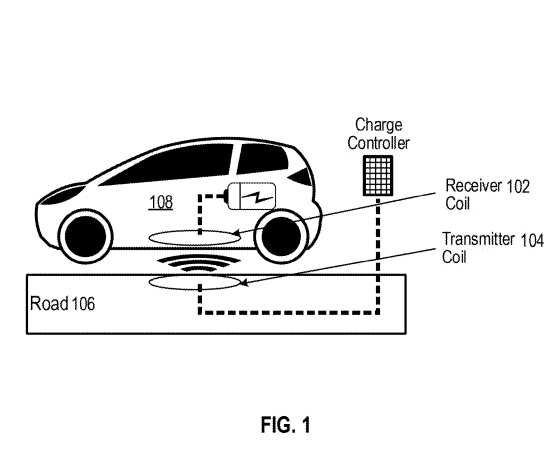
What stands out here is that navigation and charging are no longer treated separately. The system plans routes by actively considering where charging will happen and ensures the vehicle correctly identifies charging zones while adapting to real-time conditions.
The approach is designed to use available charging infrastructure more effectively, reduce the risk of running low on charge, and make long-distance travel more reliable.
While route planning is becoming smarter, choosing the right charging point remains equally important, especially when not all stations perform as expected.
5. Improved charging station selection using real-time data
When electric vehicles are used for long trips, drivers rely on charging stations along the route. However, not all charging stations perform as expected. Charging speed, reliability, and compatibility can vary, and in some cases, stations may not deliver on their promises. This creates uncertainty and can lead to longer charging times or added stress on the battery.
To address this, Mercedes-Benz introduces a system that evaluates charging performance in real time and helps select better options during the journey. Instead of assuming that every station will perform as expected, the system monitors how the vehicle is actually charging.
As soon as charging begins, the system tracks factors such as how quickly energy is delivered and how the battery responds. If the charging process is slower than expected or shows signs of inefficiency, the system identifies this early. It then builds a performance profile based on the current session and compares it with past data.
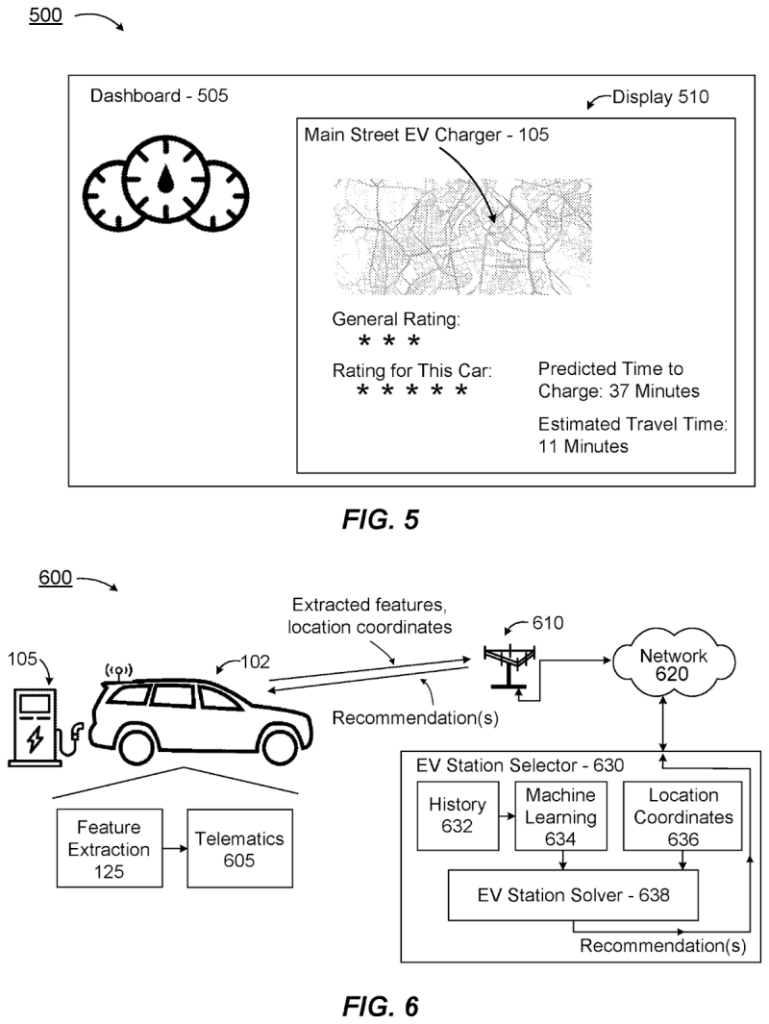
Using this information, the system can recommend a more suitable charging station. It considers factors such as expected charging time, battery impact, and how far the next station is. This helps the driver decide whether to continue charging or move to a better option.
The system also learns over time. Data from previous charging sessions is used to improve future recommendations. For example, if certain vehicles consistently face issues at a particular station, the system can guide similar vehicles toward better alternatives.
What makes this approach different is that it relies on actual charging performance rather than assumptions. Instead of choosing stations based only on location or availability, it helps ensure that the selected station delivers the expected results.
6. Battery diagnostics to extend battery life
Even with better charging and energy management, one key problem remains. Most systems still do not clearly show what is happening inside the battery. They provide basic indicators such as charge level and overall health, but they do not detect early signs of internal damage. As a result, issues such as overheating, inaccurate readings, or premature battery failure can occur without warning.
To address this, Entroview introduces a method that examines in greater depth how the battery behaves during use. Instead of relying solely on surface-level indicators, the system analyzes the battery’s response during charging and discharging using data from sensors already available in the vehicle.
The system builds a unique “fingerprint” for each battery cell using entropy-based analysis and machine learning. Then it tracks how it changes over time. By studying these changes, it can identify internal issues such as unwanted material buildup (lithium plating) or changes in protective layers (SEI layer growth) inside the battery. These problems are usually not visible with conventional methods.
It continuously compares real-time data with expected patterns. This allows it to detect unusual behavior early and predict how the battery will degrade over time. All of this is done without opening the battery or sending it to a lab, making it practical for real-world use.
What makes this approach different is that it explains why the battery is degrading, not just how much it has degraded. This allows earlier and more accurate decisions around maintenance, repair, or continued use.
The system is highly accurate, with error rates reported below 1%, and it operates in real-world driving conditions. It can be integrated into battery management systems, service tools, and recycling workflows to support real-time monitoring, better repair decisions, and improved planning of battery usage over its lifetime.
We spoke to Gaetan Depaepe, the CEO of Entroview, to understand how this technology works. Here’s the full conversation.
The above interview is part of our exclusive Scouted By GreyB series. Here, we talk to the founder of innovative startups to understand how their solutions address critical industry challenges and help ensure compliance with industry and government regulations.
(Know more about startups scouted by GreyB!)
7. Safer battery protection with fire-resistant materials
Battery safety remains one of the most critical concerns in electric vehicles. When a battery overheats or catches fire, it can release flames and molten materials at extremely high temperatures. This creates a serious risk for passengers and makes it difficult to control the situation quickly.
Most current battery enclosures are made from metals like aluminum or steel, or from treated polymers. However, these materials do not perform well under extreme heat. For example, Aluminum will melt quickly due to its low melting point (around 660 °C). A 10 mm-thick aluminum casing might provide only 3–5 seconds of protection at 2000 °C, which is clearly insufficient for safe evacuation.
To improve safety, CBG Composites, along with its partners Convi and Demin Srm, introduces a different approach using basalt-based laminate panels. Basalt is a natural material derived from volcanic rock and is known for its ability to withstand very high temperatures without catching fire.
When combined with a mineral-based binder, these panels can withstand temperatures up to 2000°C for short periods. Even in a thinner form, they can provide 30 seconds or more of protection, which is significantly longer than traditional materials. This extra time can be critical for passengers to exit the vehicle and move to safety. It also increases the chances that fire suppression systems or emergency responders can act in time.
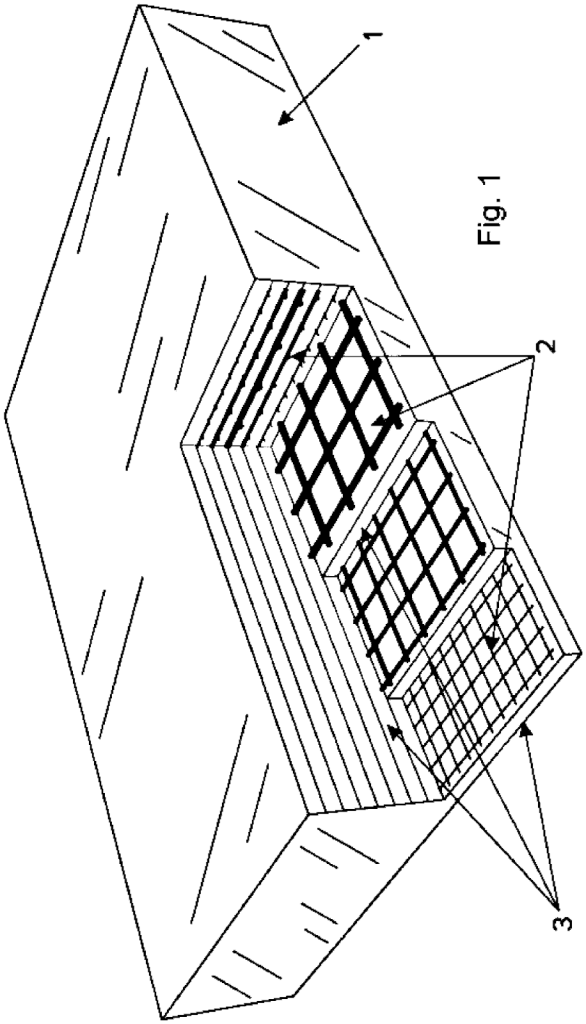
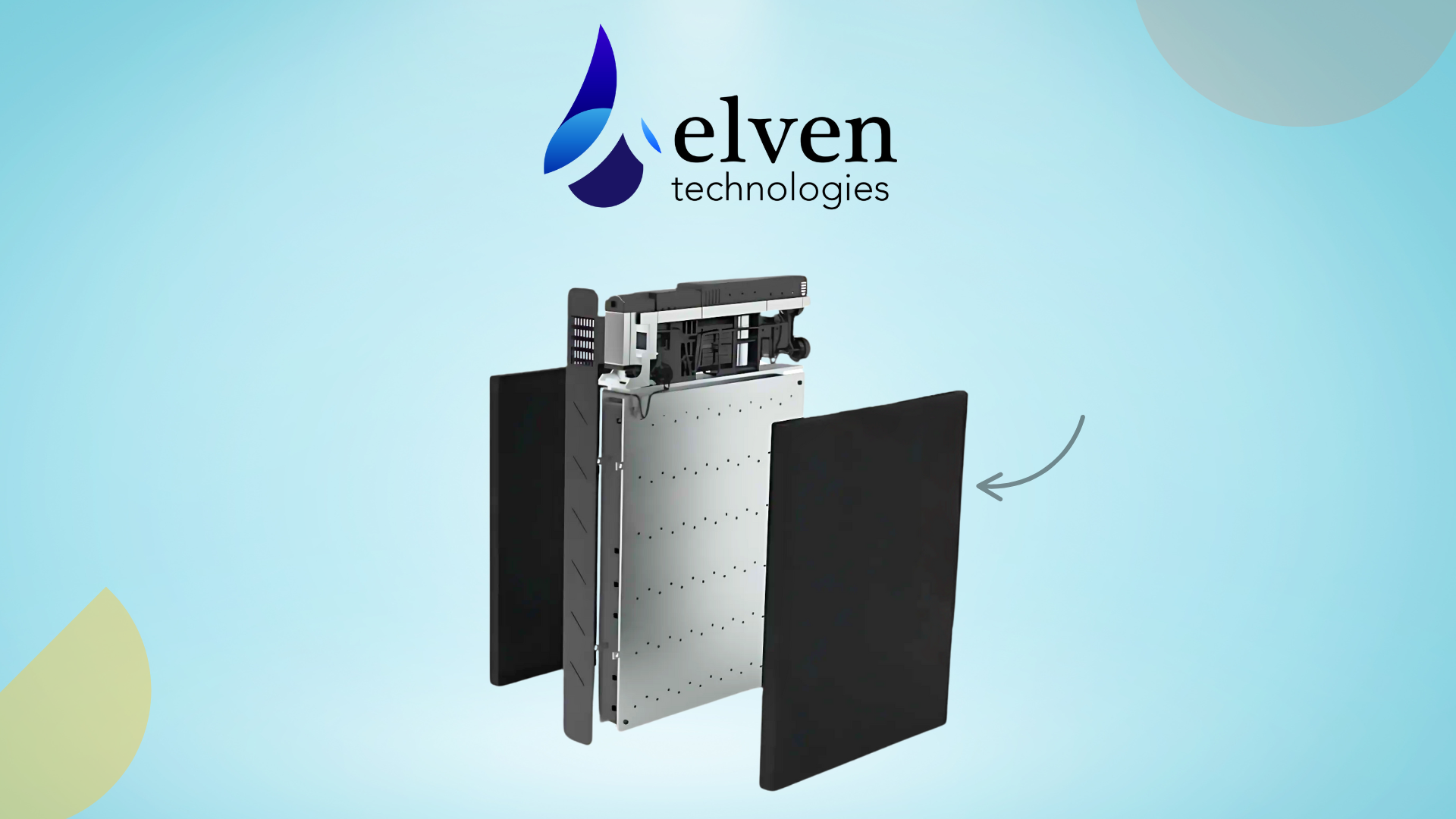
The panels are built in layers, forming a protective barrier around the battery. Despite offering greater heat resistance, they are lighter than thick metal alternatives. This means safety can be improved without adding excessive weight or reducing the vehicle’s range.
While the focus is on electric vehicles, this type of protection can also be used in buses, trains, large battery storage systems, ships, and even buildings where fire resistance is important.
Related Read
Strategic Implications for EV System Innovation
Many of these approaches improve one part of the system: battery usage, power distribution, charging, diagnostics, or safety. But when deployed at scale, they begin to interact. A change in how energy is used can affect thermal behavior. A charging decision can influence long-term battery degradation. A more compact pack design can impact serviceability or heat management.
This is where most of the complexity is now emerging, not in building better components but in managing how they behave together under real-world conditions. The challenge is deciding which components can work together without creating new inefficiencies.
When evaluating such innovations at the system level, a different set of questions becomes more important:
- Where do efficiency gains in one part of the electric vehicle system create losses elsewhere?
- Which solutions simplify the system, and which introduce new dependencies or control layers?
- How do operational decisions like charging, routing, or power sharing affect battery life over time?
- Which designs remain stable across varied driving conditions instead of being optimized for narrow scenarios?
- Where does integration with external EV systems, like charging infrastructure or navigation, introduce new risks?
- How do you determine whether an innovation can scale across platforms without major redesign?
Answering these questions requires going beyond individual technologies. It requires understanding how systems perform when used continuously and together, not just when tested in isolation.
That’s where we come in.
Whether you are evaluating new EV system architectures, comparing how different approaches affect real-world performance, or identifying solutions that can scale without introducing new constraints, we help you focus on what works in practice, not just in design.