The Innovation team at a leading personal care company wanted to identify next-generation product and packaging innovations in the wipes category to strengthen its mid- to long-term innovation pipeline across key global markets.
The company was looking to understand emerging developments across product formats, substrate materials, packaging solutions, and user experience enhancements. However, innovations related to material performance, comfort enhancement, moisture retention, and functional positioning were fragmented across regions, making it difficult to compare and prioritize solutions with strong differentiation potential.
The company partnered with GreyB to identify and evaluate emerging personal care wipe innovations across global markets. The objective was to assess technical feasibility, sustainability alignment, and commercialization potential while developing a prioritized roadmap for future product development.

Scouting Across Patents, Research Developments, and Commercial Products Revealed Emerging Wipe Concepts Across Multiple Innovation Areas
GreyB conducted extensive searches across patents, scientific literature, market intelligence reports, and commercial product databases to identify solutions ranging from early-stage developments to market-ready innovations.
The search focused on both product-level improvements, including sensory performance, material innovation, and functional benefits, and packaging-level advancements, including convenience-oriented and sustainability-focused formats.
A multilingual and region-agnostic search approach was used to identify solutions across different geographies. Regional search engines such as Naver and Baidu were leveraged to capture innovations that may have been missed due to native-language publications.
Two examples of emerging personal care wipe concepts identified during the assessment included:
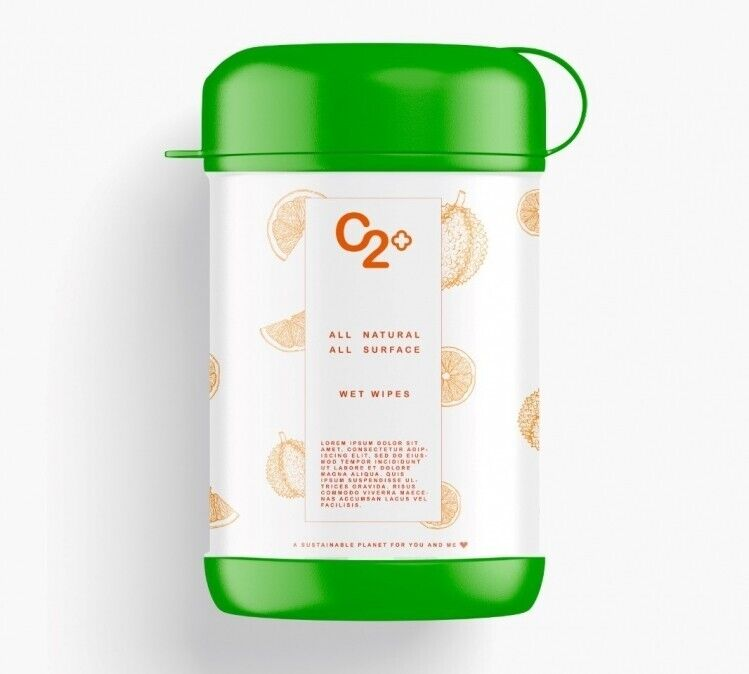
Durian-Husk Wet Wipes by N&E Innovations
N&E Innovations developed durian-husk wet wipes, an eco-friendly solution made from discarded durian husks. The wipes address food waste while offering enhanced hygiene benefits.
The solution leverages the proprietary Vi Kang 99 technology, which can deactivate up to 99% of viruses and bacteria. Designed to be biodegradable, hypoallergenic, and free from synthetic ingredients, the wipes combine sustainability with antimicrobial protection.
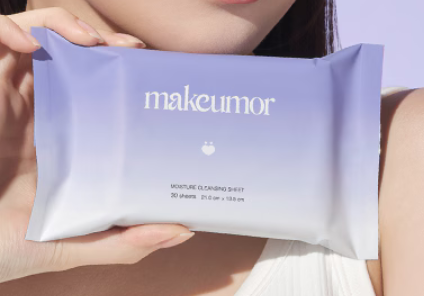
Jyuwaan Cleansing Sheet by Makeumor
Makeumor developed Jyuwaan, a multifunctional cleansing sheet designed to combine cleansing and skincare benefits in a single solution.
The innovation provides six functions, including cleansing, dead skin and sebum removal, pore care, soothing, rough skin prevention, and moisturizing. The large hypoallergenic embossed sheet is enriched with beauty serum ingredients such as hyalocta CPX, levan, ferment complex, and plant-derived extracts.
Structured Evaluation Framework Helped Prioritize Scalable and Commercially Relevant Wipe Solutions
Identified innovations were evaluated using a structured benchmarking framework to compare diverse solution types consistently.
Each solution was assessed across the following parameters:
- Technical Merit
Functional performance, compatibility, absorption, strength, and durability - Sensory & User Experience
Softness, comfort, tactile feel, and overall usage experience - Safety & Compatibility
Safety profile, irritation risk, and suitability for varied user conditions - Sustainability & Market Signals
Materials, environmental impact, compliance, and market traction indicators - Scalability & Integration Fit
Technology readiness, integration ease, and cost feasibility - IP Backing
Patented and patent-pending solutions
The assessment helped distinguish solutions that demonstrated practical commercial potential from concepts that remained limited to supplier claims or early-stage developments.
Several identified innovations appeared promising at a conceptual level but lacked sufficient real-world performance validation. For example, many suppliers highlighted improved comfort, enhanced usability, or material-level benefits based on controlled or claim-based evidence, with limited clarity on consistency across real usage conditions.
Similarly, many solutions did not clearly address practical limitations such as variability in user experience, durability of performance over repeated use, or operational challenges linked to packaging and dispensing behavior.
In-House Testing and Consumer Feedback Identified Product Gaps Across Comfort, Moisture Retention, and Packaging Usability
To validate supplier claims and assess real-world performance, selected personal care wipe products were procured from leading manufacturers without disclosing the client’s identity.
The procured products were evaluated through structured in-house testing, complemented by consumer surveys focused on key user experience parameters.
The evaluation highlighted performance gaps and improvement opportunities across multiple areas:
1. Optimize formulation for low-residue performance
Adjust formulation-to-substrate balance to reduce residue build-up post-use while maintaining perceived freshness and overall comfort during application.
2. Improve substrate strength without compromising softness
Enhance fiber bonding and sheet integrity to improve tear resistance and reduce in-use breakdown while retaining a soft and comfortable feel.
3. Standardize moisture distribution across sheets
Ensure uniform fluid distribution across the pack to minimize performance variability and prevent uneven dryness or over-saturation during use.
4. Enhance packaging reseal and dispensing performance
Improve sealing integrity and dispensing mechanisms to ensure controlled single-sheet extraction, reduce exposure-related drying, and improve handling convenience over time.
5. Balance fragrance intensity for wider acceptance
Refine fragrance formulation to maintain a consistent freshness experience while ensuring broad user acceptance and minimizing rejection due to intensity variation.
Consumer Validation Helped Build a Strategic Roadmap for Short-, Mid-, and Long-Term Innovation Opportunities
Consumer trials provided insights into comfort, material strength, moisture retention, packaging usability, and overall user experience, highlighting both strengths and improvement areas.
The assessment enabled the identification of product refinement opportunities across formulation balance, substrate design, moisture control, and packaging usability to better align solutions with user expectations and market requirements.
The final output provided a structured set of recommendations mapped across short-term, mid-term, and long-term horizons, enabling a clear roadmap for product refinement and portfolio development in the personal care wipes segment.
What Should R&D Teams Consider Before Investing in Personal Care Wipe Innovations?
As personal care wipe categories continue to evolve, identifying solutions that deliver consistent performance and comfort under real-world usage conditions is critical for successful product development.
For R&D and innovation teams, technology scouting must extend beyond patents, research-stage developments, commercial products, and supplier documentation. Solutions need to be evaluated against functional performance, user experience, application requirements, and scalability considerations.
When supplier claims do not fully reflect challenges such as residue formation, material strength, moisture consistency, packaging usability, or comfort during repeated use, structured validation helps teams move from broad concepts to commercially relevant insights.
GreyB helps organizations combine global technology scouting, product benchmarking, and validation approaches to identify performance gaps, evaluate emerging solutions, and prioritize opportunities aligned with product strategy requirements.
Fill out the form below and connect with our expert today.