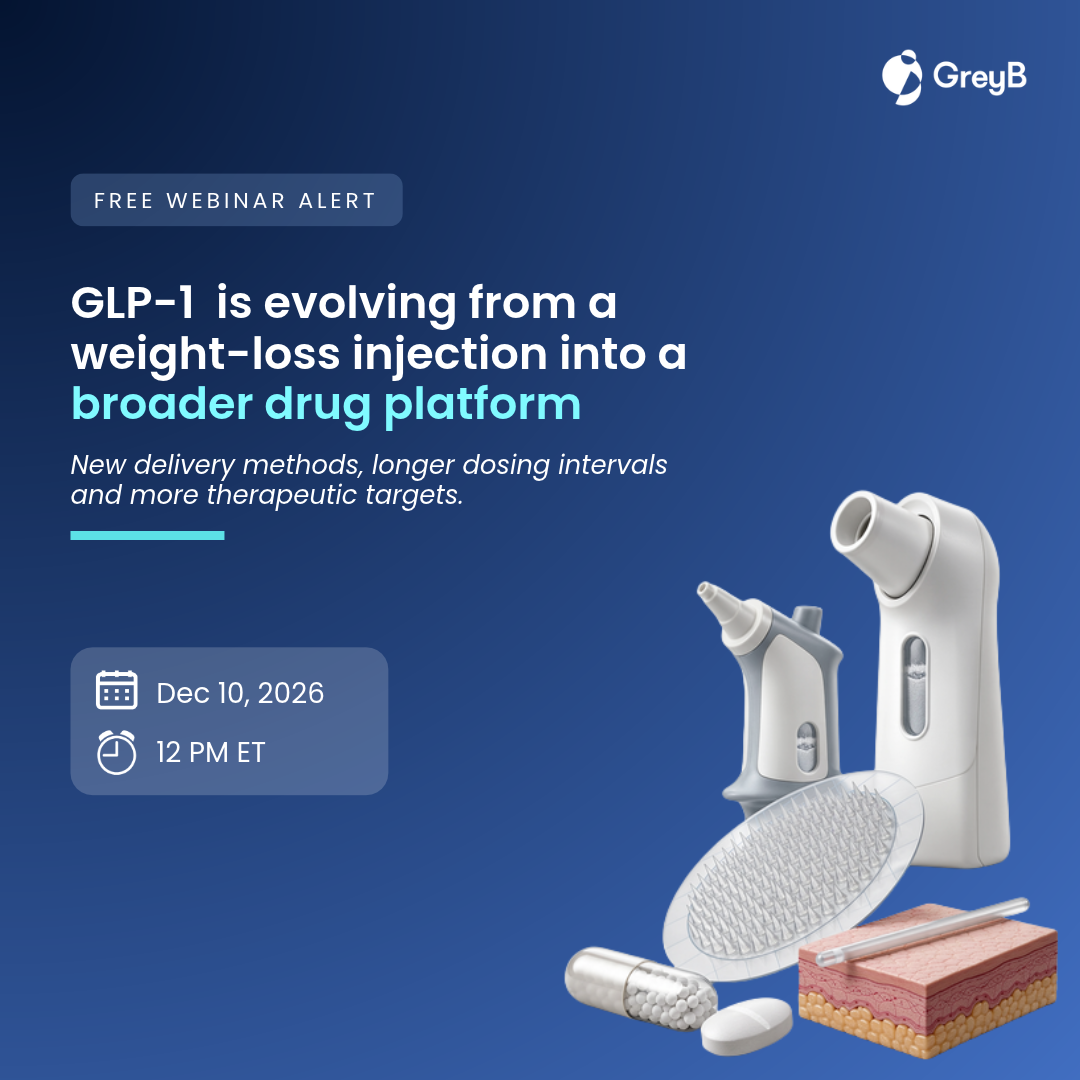
A GLP-1 pill has beaten the injection on drug exposure. In a Phase 1a trial, Rani Therapeutics’ swallowable RaniPill capsule put more than 150% as much drug into the bloodstream as a matched injection.
It’s one sign of how far GLP-1 drugs are moving from where they started: a weekly injection, for obesity, aimed at one receptor.
Novo Nordisk and Eli Lilly now both have FDA-approved GLP-1 pills. Pfizer is one of three big obesity drugmakers to strike deals for long-acting GLP-1 technology since 2025. It paid about $10 billion for Metsera to get a monthly GLP-1 candidate. Nasal powders, microneedle patches and implants are also in development.
GLP-1 drugs already carry labels for heart disease, kidney disease, MASH and sleep apnea. Newer trials in addiction and liver disease show strong results.
Developers are also adding other receptors to GLP-1 through triple agonists, amylin combinations and GIP blockers. Lilly’s retatrutide acts on three receptors at once and reached 28.3% weight loss at 80 weeks. Other drugs aim for something besides more weight loss, like monthly dosing or keeping muscle.
But the evidence is uneven.
- Most alternatives to the weekly injection are still early. Two pills are approved, but every nasal semaglutide program is preclinical. No monthly GLP-1 has US approval yet.
- Results beyond obesity are mixed. In Parkinson’s disease, the benefit is still unproven after later trials missed.
- Adding targets doesn’t always help. CagriSema, an amylin combination, lost to tirzepatide head to head, 23.0% to 25.5% weight loss.
>70%
of adults with obesity stop GLP-1 therapy within 2 years
$100B+
in anti-obesity drug sales forecast by 2030
12+
disease areas where GLP-1 drugs are being researched beyond obesity and diabetes
We’ll look at which new GLP-1 delivery routes have reached human trials and how close monthly dosing is. We’ll also cover which diseases beyond obesity are being tested, and what each next-gen mechanism adds to GLP-1.
THIS WEBINAR WILL HELP YOU FIND ANSWERS TO:
- Which oral GLP-1 programs are following oral Wegovy and Foundayo into Phase 3, and how does their weight loss compare?
- How close are nasal powders, microneedle patches and implants to replacing the injection, and which of them have shown results in people?
- With more than 10 monthly GLP-1 programs in development and none approved, which technologies are furthest along, and why are Novo Nordisk, Pfizer and Lilly signing deals for them?
- Why are universities leading GLP-1 trials in brain disorders and addiction, while Novo Nordisk and Eli Lilly focus on heart, kidney and liver disease?
- Which conditions beyond obesity have the strongest GLP-1 evidence, and why is Parkinson’s still unproven after exenatide missed in Phase 3?
- CagriSema lost to tirzepatide head to head, but adding eloralintide to tirzepatide beat tirzepatide alone. Is amylin still the next big lever?
- Can GIP blockers like Amgen’s MariTide or muscle-protecting add-ons beat retatrutide’s 28.3% weight loss? Or do they offer something else, like monthly dosing or less muscle loss?
See which GLP-1 programs have real results behind them, who is building them, and which ones are still looking for partners.
Save your spot!