


Diesel prices hit record highs this year. According to the International Energy Agency’s October 2026 report, wholesale diesel prices exceeded $200 a barrel in Singapore in mid-September and reached all-time highs of around $220 a barrel in Europe and the United States. Prices have eased since then, but the IEA says benchmarks are still nearly double their pre-crisis levels, and it expects supply to stay tight into 2027. Industries that run on diesel feel this the most, and mining is one of the biggest. Haul trucks, loaders and other heavy machines on a mine site burn diesel for most of the day, every day. So when diesel prices rise, a mine’s operating costs rise with them
Electrifying these fleets, however, requires more than replacing engines. Mining companies must overcome charging infrastructure limitations, power supply constraints, and the high costs associated with adopting new equipment.
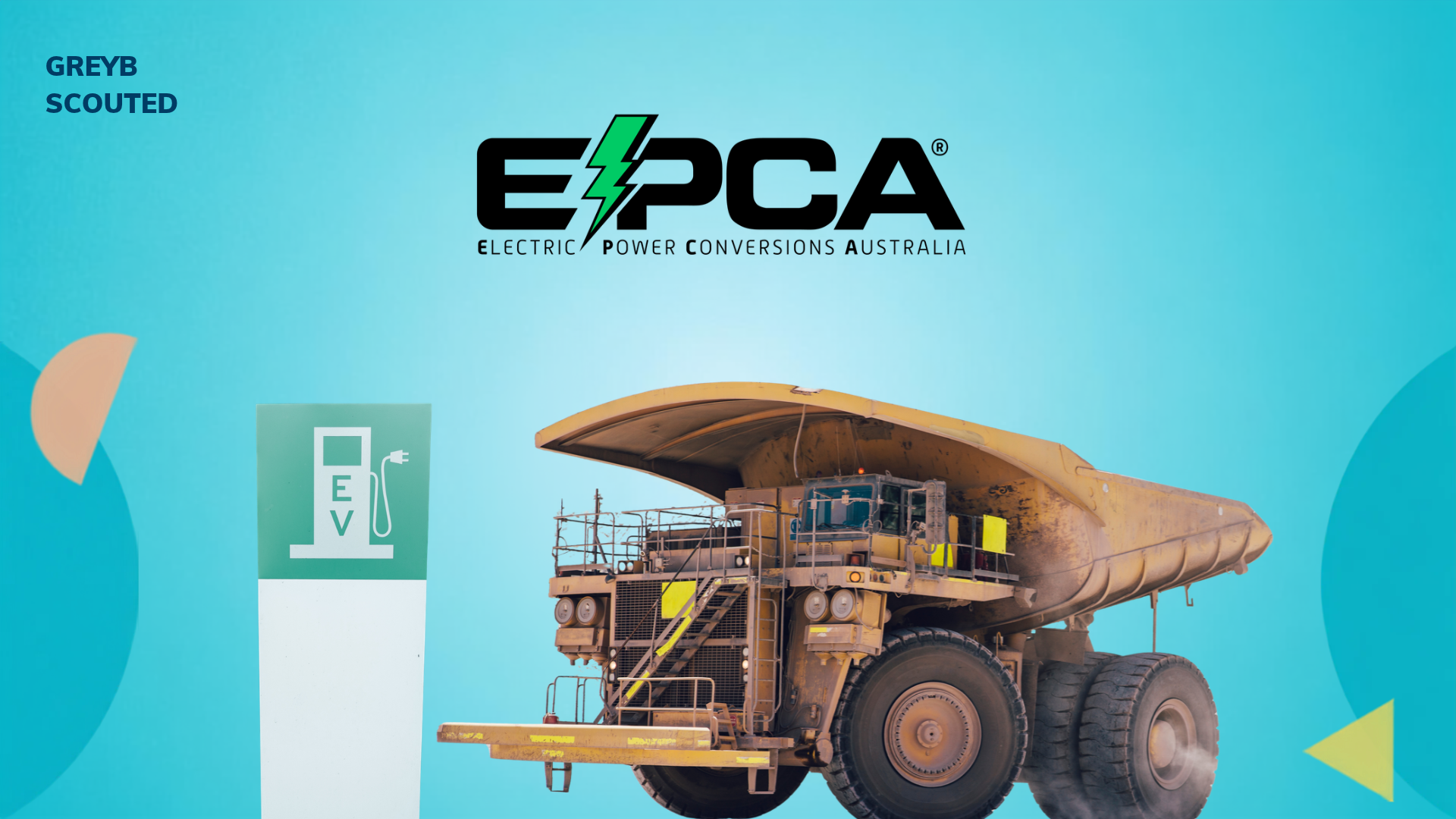
Australian startup Electric Power Conversions Australia (EPCA) is addressing rising fuel costs and carbon emissions in mining by converting existing diesel mining trucks into electric vehicles. The company uses proprietary control technology to integrate electric motors and batteries with the trucks’ existing systems.
To better understand how they do it, we spoke with Clayton Franklin, Founder and Chief Engineer of Electric Power Conversions Australia(EPCA). This article contains notable highlights from our entire conversation.
Related Read:
This interview is part of our exclusive Scouted By GreyB series. Here, we speak with the founders of innovative startups to understand how their solutions address critical industry challenges and help ensure compliance with industry and government regulations.
“The key to this whole thing [electrifying mining equipment] is to use renewables, because that’s the lowest cost and the greatest benefit to the environment.”
— Clayton Franklin, Founder, EPCA
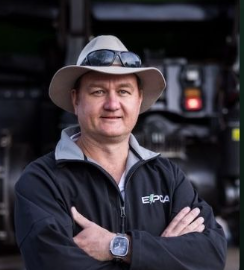
Clayton Franklin is the Founder and Chief Engineer of Electric Power Conversions Australia (EPCA). He graduated with a Bachelor of Engineering (Honours) in Electrical and Electronics Engineering from James Cook University in 1997 and later earned an MBA in Finance from Curtin University.
In August 2026, Northern Star Resources donated a CAT 793 240-tonne haul truck to EPCA to convert into a fully battery-electric truck, its first ultra-class project. EPCA is a 2026 finalist for Western Australia’s Innovators of the Year, run by the state’s Department of Energy and Economic Diversification, and for the Australian Technologies Competition. Austrade also invited Clayton to represent EPCA at Mining Indonesia 2026.
EPCA Converts Existing Diesel Mining Trucks into Electric Machines with 21% More Power Than the Original Engines
Electric Power Conversions Australia (EPCA) is an engineering company based in Perth, Western Australia. It was founded in 2021. EPCA converts diesel mining machines, mainly haul trucks and wheel loaders, into battery electric machines. It also installs chargers and maintains the converted fleets.
Its main product is the E-777, an electric version of the Caterpillar 777D, a mining truck that carries 100 tonnes. EPCA keeps about 80% of the original truck and replaces the diesel engine and related parts with an electric drive and a large battery. According to EPCA, the electric truck has 21% more power than the diesel version. It can also run for eight hours straight and recharge in about 50 minutes.

EPCA builds its own software and electronics to link the new electric drive with the truck’s original systems. The truck also sends performance data to an online platform, so EPCA can track how it runs and spot problems early. EPCA says the converted truck produces no direct CO₂ emissions and costs 34% less to maintain than the diesel version.
EPCA also offers a leasing model called Green Fleet Provider. Under it, EPCA owns and maintains the machines and provides the chargers, and the mine pays a fixed hourly or monthly fee to use them.
Why is electrifying heavy mining equipment becoming increasingly important, and what problem is EPCA trying to solve?
Clayton: Mining companies operate some of the largest vehicles in the world that run on diesel. These include haul trucks, graders, bulldozers, and loaders. They consume significant amounts of diesel because they’re moving enormous quantities of material continuously. That creates two major challenges for mining operators: carbon emissions and operating costs.
At EPCA, we’re addressing both. We take existing diesel mining equipment and convert it to battery-electric operation. The objective is not just to reduce emissions but also to make these machines cheaper to operate and maintain.
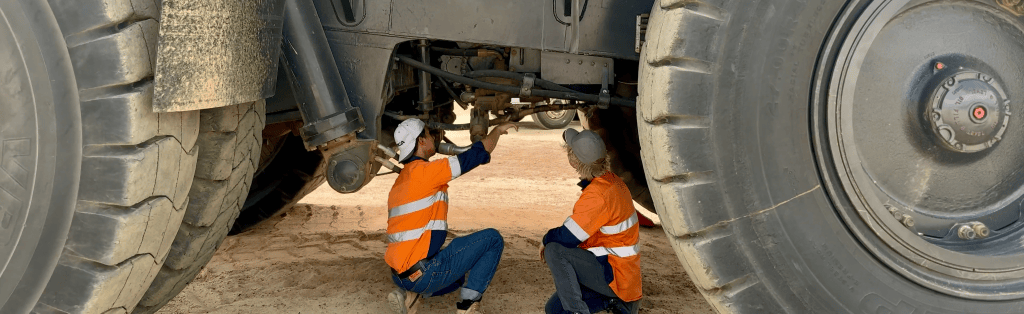
Electric motors have far fewer moving parts than diesel engines, which means fewer components need regular servicing or replacement. And because we’re retrofitting existing machines, mining companies don’t have to discard equipment they’ve already invested millions of dollars in. We believe electrification should make both environmental and commercial sense.
You have experience developing hydrogen-electric mining trucks. Why do you believe battery-electric technology is a better alternative to hydrogen and diesel?
Clayton: I’ve worked on hydrogen technology myself and was involved in developing a 240-ton mining truck powered by hydrogen and electricity for Fortescue. This gave me firsthand experience with the engineering challenges involved. However, when comparing hydrogen, diesel, and battery-powered mining equipment, the biggest difference comes down to cost.
Take a 100-ton Caterpillar 777 haul truck as an example. A conventional diesel machine costs around A$2.8 million. Based on the assumptions I use, a hydrogen-powered equivalent could cost approximately three times as much. Then there are the running costs. Using illustrative fuel and energy prices, I estimate a diesel truck costs roughly A$200 per operating hour in fuel, while a battery-electric truck costs around A$36 in electricity. Hydrogen can be substantially more expensive, depending on how it’s produced, delivered, and stored.
Maintenance is another major factor. A diesel engine contains thousands of moving parts and requires frequent servicing. Hydrogen introduces additional challenges involving storage, leakage, and safety because it’s highly flammable. With battery-electric machines, we have fewer mechanical components to maintain. That’s why I believe battery-electric technology offers the strongest commercial case for mining equipment.
How does EPCA’s retrofitting technology integrate electric motors and batteries into existing mining trucks?
Clayton: Our biggest technical advantage is how we integrate the electric system into an existing machine. Retrofitting isn’t simply about removing a diesel engine and installing a battery and motor. You also need to make the new technology communicate with all the systems that are already inside the truck.
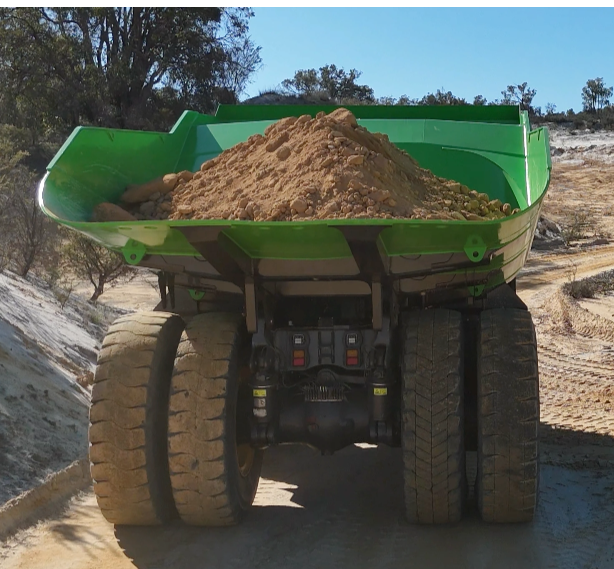
For example, an original mining truck has instruments, sensors, control signals, and communication networks. We need to develop an electric vehicle control system that can interact with those existing components. That’s where much of our engineering work goes.
We develop our own control software, hardware, and proprietary integration board in-house. We also work with specialists who understand the original diesel equipment. Combining that mechanical knowledge with our electrical engineering expertise allows us to integrate the systems. We see this integration capability as our primary competitive advantage because it’s difficult to replicate without understanding both sides of the vehicle.
Your battery-electric mining machines can reportedly operate for eight hours and recharge in about 50 minutes. How have you achieved this charging performance?
Clayton: We guarantee eight hours of continuous operation for our machines, with a recharge time of approximately 50 minutes. Battery energy density keeps improving, which means we can fit more stored energy into the available space as technology develops.
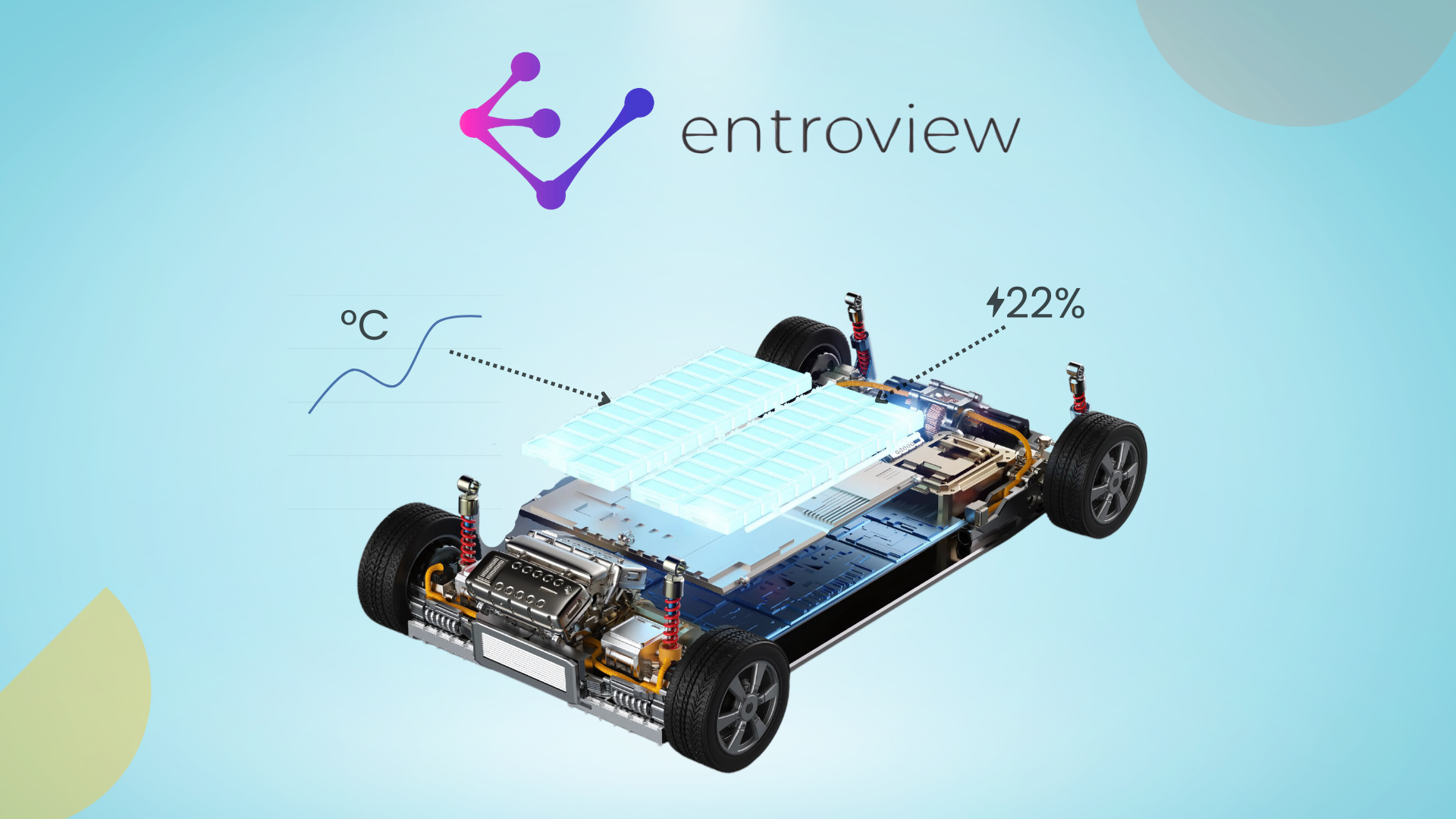
The critical challenge with fast charging is heat management. When you’re putting large amounts of energy into a battery in a short period, the battery’s internal resistance generates heat. If that heat isn’t controlled, charging performance is affected. That’s why managing battery temperature is so important, particularly in the hot environments where Australian mines operate.
Another advantage is that mining equipment operates differently from passenger vehicles. Mining trucks generally follow predictable routes and work schedules. Operators typically have meal breaks, rest periods, and shift changes throughout the day. Those periods provide opportunities to charge the machines. So although we guarantee eight hours of continuous runtime, the equipment can operate across a longer shift when charging is incorporated into the normal working schedule.
Charging a single mining truck requires significantly more power than charging a passenger EV. How does EPCA manage charging infrastructure for entire mining fleets?
Clayton: We provide the charging infrastructure alongside the vehicles because mining companies prefer a complete solution. Our chargers are specifically designed for mining environments, and we take care of their maintenance as well.
The principle is similar to charging a passenger electric vehicle, but everything is larger. We use CCS2 charging connections, which are also used in passenger EVs, except our machines can use up to four charging plugs. While a typical DC fast charger might deliver around 125 kilowatts, we’re installing chargers rated at 800 kilowatts and, in some applications, 1,200 kilowatts.
The challenge comes when you’re dealing with entire fleets. One charger might service approximately ten trucks, but those trucks cannot all arrive at the same time. You need to schedule charging based on their battery levels and operating duties. We can use an algorithm to determine when each truck needs to charge. That way, charging becomes part of the mine’s operating schedule rather than an interruption to production.
Even with fast charging, electrifying an entire mining fleet could put enormous pressure on a mine’s electricity supply. How serious is this challenge?
Clayton: This is probably one of the biggest challenges facing mining electrification. You can develop an electric truck and install a charger, but if the mine doesn’t have enough electricity generation capacity, you can’t scale up the fleet.
For example, consider a gold mine that normally consumes around 40 megawatts of electricity. If we install a 1.2-megawatt charger, that’s a significant additional load. One or two trucks might be manageable using spare generation capacity, but charging ten trucks simultaneously could require a major expansion of the site’s electricity infrastructure.
That’s why I believe mining companies need to plan their power generation before electrifying large fleets. Some operators have already invested heavily in solar and wind energy, so they’re better positioned to adopt electric equipment. Others have a much bigger challenge ahead because building new generation facilities takes time, capital, and land.
If mines continue using diesel-generated electricity to charge their trucks, will electrification still deliver meaningful environmental benefits?
Clayton: Yes, there are still benefits because electric motors are much more efficient than diesel engines. A diesel-powered machine might convert around 38% of its fuel energy into useful mechanical work, whereas an electric powertrain can achieve efficiencies of around 95%.
That means even when electricity comes from a diesel generator, an electric vehicle can use energy more efficiently than a conventional diesel-powered machine. However, the actual emissions reduction depends on how that electricity is generated.
The greatest benefit comes when we’re charging these machines using renewable electricity. Solar and wind can provide low-cost power while reducing emissions. For me, the long-term objective is to combine efficient electric mining equipment with renewable energy generation. That’s where the environmental and financial benefits really come together.
Since renewable power generation is essential for large-scale electrification, is EPCA exploring partnerships with solar and wind energy providers?
Clayton: Absolutely. We’ve already addressed the vehicle side of electrification, and we’ve integrated the charging infrastructure into our offering. The next part is making sure miners have access to enough electricity to operate those machines.
We’re particularly interested in deployable solar farms that can be moved between locations. That’s useful for mining because operations change over time, and a site might not need the same electricity infrastructure permanently.
We’ve already established arrangements in this area and received several inquiries from mining companies. Some are developing completely new mining sites and want to move directly to electric equipment without investing heavily in upfront infrastructure. Being able to combine the vehicles, charging systems, and renewable electricity supply creates a much more practical solution for those customers.
EPCA appears to have addressed several technical barriers to mining electrification. What challenges remain when scaling the technology commercially?
Clayton: Like any business developing something new, we face challenges all the time. The important thing is to understand the risks and keep working through them. On the engineering side, we have a clear understanding of what we’re building and how the systems need to work. But scaling a business involves more than solving technical problems.
Financing is one challenge, particularly in Australia. There’s considerable funding available for large green technology projects, but smaller investments can be harder to secure. If you’re looking for more than A$20 million, there are often more funding options available than for projects below that threshold. We’ve had to work through those limitations and build relationships with investors who understand our technology.
Partnerships have been essential. We’ve received strong support from the Western Australian government, our founding partners, and other organizations that recognize the opportunity in mining electrification. Rather than trying to solve every problem independently, we work with partners who bring the capabilities and resources needed to move forward.
With thousands of diesel-powered mining trucks operating globally, how does EPCA plan to expand beyond Western Australia?
Clayton: Western Australia is our primary market, and we have four workshops in the state supporting our operations. That gives us the capability to convert and service equipment locally.
For international markets, we’re taking a different approach. We’ve developed retrofit kits that can be shipped overseas, particularly to India, where there’s a significant number of mining trucks that could potentially be converted. Instead of transporting entire machines back to Australia, we can supply the equipment and technical knowledge needed for conversions in those markets.
The opportunity is substantial because different countries operate different types and sizes of mining equipment. Our objective is to make the conversion technology available wherever it can deliver commercial and environmental benefits. We see partnerships and local capabilities as central to achieving that scale.
Meet our Interviewer – Shabaz Khan, Marketing Manager at GreyB

Shabaz Khan, Marketing Manager
Looking for startups like EPCA? GreyB helps you discover emerging technologies and potential innovation partners through its startup scouting services.