Webinar | Asian Beauty Trends: Ingredients, Formats, and R&D signals
30th June | 12 PM ET: Register Now

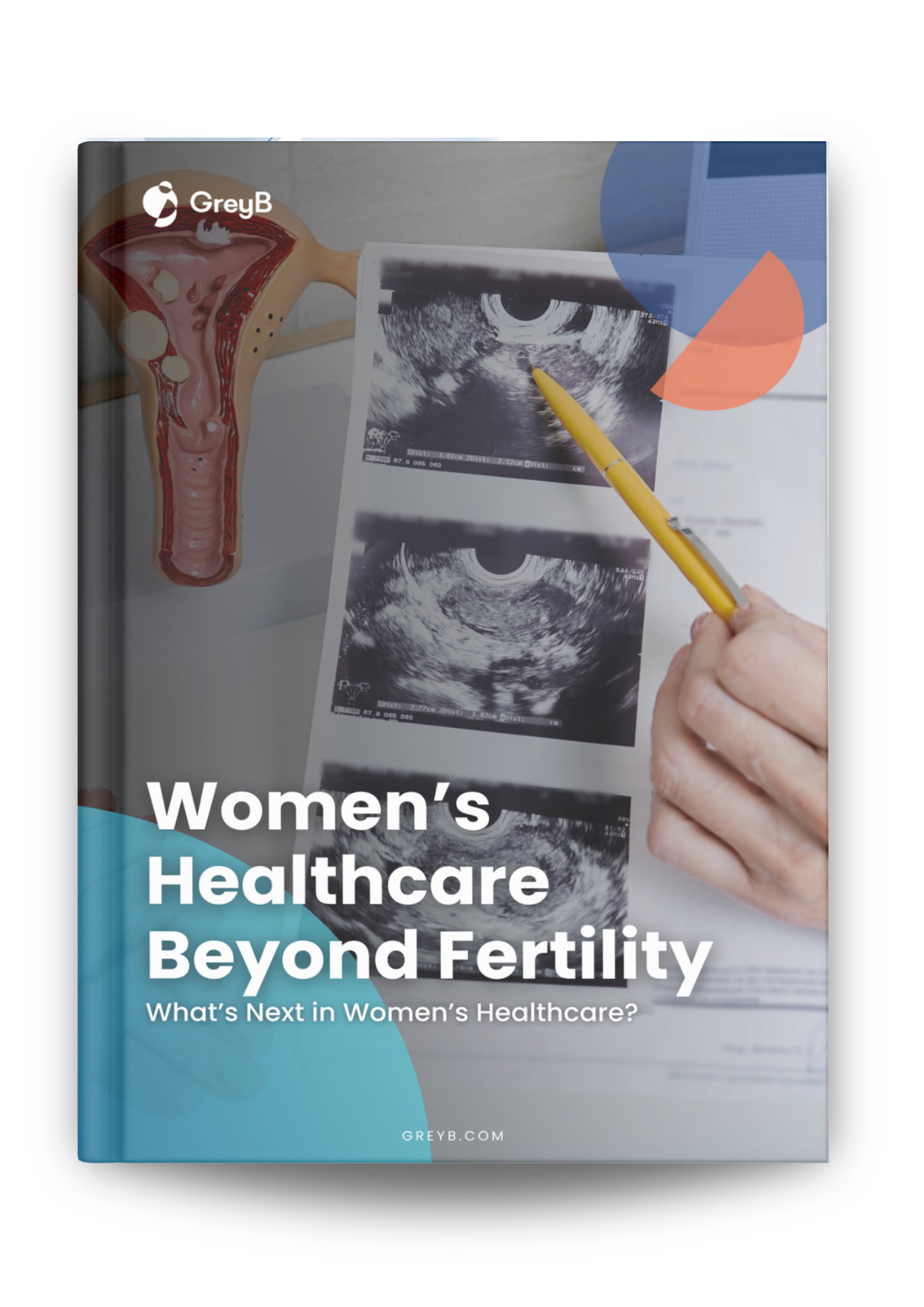
Women’s Healthcare in 2026: What’s Coming After Fertility-led Care?

What’s Next in Women’s Healthcare

Stay ahead with 2026 China beauty trends. Discover key patents, innovation highlights, and what’s next for the fast-changing industry.

The 2026 HEVC Landscape Report goes live in

Days
Hours
Minutes
Seconds

Women’s healthcare has moved beyond reproductive medicine as its defining boundary into a new phase where autoimmune disease, cardiovascular risk, mental health, metabolic conditions, and maternal care are converging into a single, longitudinal innovation space.

The latest research blends precision diagnostics (sex-stratified AI, multiplex autoantibody panels, microRNA biomarkers), reimbursement-native platform design (conditions absorbed into existing metabolic, psychiatric, and maternal payment rails rather than requiring new procedure codes), and life-stage-specific care models built for conditions, PCOS, endometriosis, menopause, lupus, peripartum cardiomyopathy, that have been chronically underdiagnosed despite affecting hundreds of millions of women globally.

This industry landscape report maps how women’s healthcare innovation is evolving across seven clinical domains in 2026, enabling teams to distinguish where genuine technology readiness and regulatory clarity exist from where structural coding gaps and diagnostic delays continue to stall progress.

What’s Inside the Report?

The Future of Women’s Healthcare maps the clinical, technological, and regulatory landscape shaping the next 24 to 36 months:

  • Mechanistic and translational mapping across autoimmune disease, including TLR7 inhibitor pipelines, XIST-targeted research, and the diagnostic gap behind a six-year average lupus delay
  • Pharmacologic and diagnostic landscape for endometriosis, covering bone-safety divergence among oral GnRH antagonists and a wave of LDT-stage microRNA and proteomic biomarker ventures
  • PCOS care patterns reshaped by GLP-1 prescribing, CGM-cycle tracking convergence, and the absence of a dedicated reimbursement code for the syndrome
  • Menopause platform models, regulatory arbitrage around telehealth hormone prescribing, and the employer-driven adoption curve reshaping benefit design
  • Maternal health technology insertion windows tied to value-based payment transitions, remote monitoring adherence patterns, and evolving malpractice and liability frameworks
  • Women’s cardiovascular health, including SCAD, PPCM, and menopausal CVD risk pathways, and where sex-stratified AI diagnostics sit within general cardiology regulatory submissions
  • Women’s mental health digital therapeutics, including the first FDA-cleared treatment for postpartum depression and the continued absence of cleared options for PMDD and menopausal cognitive symptoms
  • Cross-domain platform analysis showing how claims data scale, employer benefit integration, and demographic shifts, deferred fertility, extended menopausal transition, Medicaid birth concentration, and a projected OB-GYN shortage are reshaping where and how care is delivered

This report shows where women’s healthcare innovation is heading, so your team can understand which clinical domains have crossed key thresholds in diagnostics, treatment, and care delivery, and where structural gaps in coding, scope-of-practice, and algorithmic validation remain unresolved.
Women’s Healthcare in 2026: What’s Coming After Fertility-led Care?

Who are we?

GreyB is an innovation consulting firm which helps law firms, in-house IP and research teams, and business heads gain better clarity about their innovations, patent assets, and research challenges. They have an expertise in analyzing patent data, understanding market dynamics powering research, and delivering IP consultations based on insights.

Facing A Roadblock On Your Project?

Our Experts Are Here To Help.