Emerging food tech trends, such as alternative proteins, nutraceuticals, and other innovative technologies, offer viable solutions by making nutritious food more accessible and affordable. Alternative proteins, for instance, offer sustainable
The global meat industry is responsible for significant environmental harm, including the excessive use of land, water, and energy. For instance, livestock farming contributes 14.5% of global GHG emissions. Additionally,
With over 500 active AI projects globally, Unilever demonstrates that AI in food supply chains represents a fundamental business transformation rather than incremental improvement. It has made strategic investments of
The 2027 deadline to remove formaldehyde and formaldehyde-releasing agents from cosmetics is forcing US brands to reformulate their products or risk losing trust in the market. Formaldehyde has been widely
Medtronic, a leading innovator in continuous glucose monitoring, is the second-largest patent filer in this domain, trailing behind only Abbott. In terms of market share, it holds the third position,
Many plant-based dairy options, such as oat, almond, or rice milk, contain very little protein, some with less than 0.5%. They often rely on ingredients containing known allergens, such as
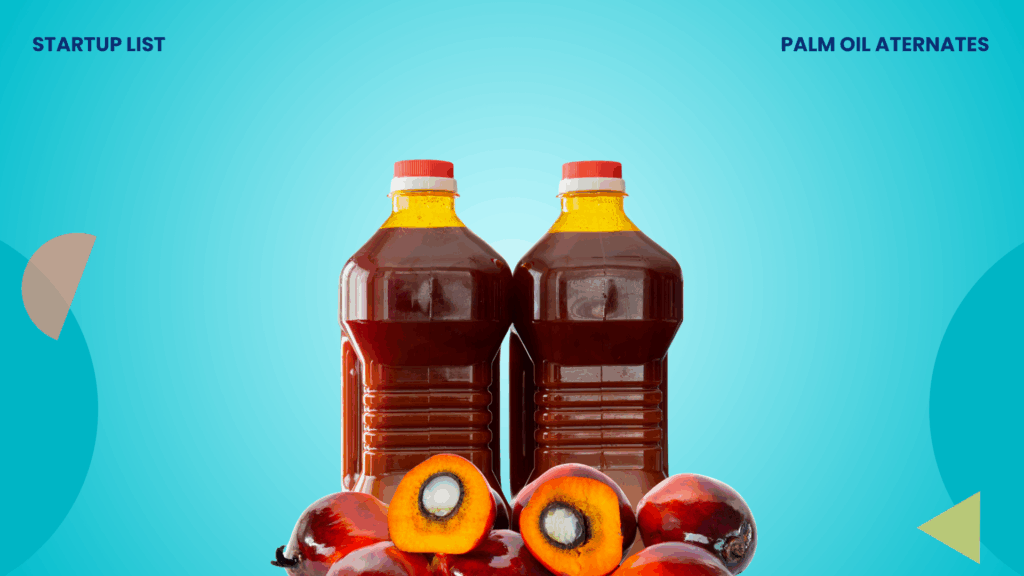
The global palm oil market size accounted for USD 65.08 billion in 2022, and it is expected to touch around USD 107.53 billion by 2032, expanding at a CAGR of
People aren’t just looking for sweet treats anymore – they want something that satisfies their cravings and offers a benefit, whether it’s extra protein, gut health support, or even stress
In Apr 2024, the Federal Motor Vehicle Safety Standard (FMVSS) No. 127 issued a mandate to implement Automatic Emergency Braking (AEB) systems on all new passenger vehicles by September 2029.
As the European Union restricts titanium dioxide (TiO₂) in food and continues to review tighter limits for its use in cosmetics, R&D teams face mounting pressure to find viable alternatives.
Sustainability trends in the tobacco industry are gaining attention. Swift advancements from filters that biodegrade within months to genetically optimized crops are transforming what’s possible in tobacco production. Additionally, innovations
The world is facing two significant environmental challenges: carbon emissions and water pollution. At the same time, water bodies around the globe are increasingly polluted by industrial, agricultural, and urban
Facility managers report that traditional HEPA and carbon filters choke airflow, forcing HVAC systems to work harder. This leads to a 30% rise in energy consumption. The result? Rising utility
A farmer in western Victoria ploughed thousands of dollars’ worth of broccoli back into the field, suffering losses of around $40,000 to $50,000 per crop. The lack of soil moisture
Personalizing a nutrition product to an individual’s genes, metabolism, and microbiome is scientifically complex, costly, and time-consuming. The process requires recording detailed genetic, nutritional, and lifestyle data for each person.
In August 2025, the Microbiome Therapeutics Innovation Group (MTIG) petitioned the FDA to end the “IND loophole”. It’s a policy that allowed doctors to use unapproved stool-based (gut bacteria) treatments