The Versatile Video Coding (VVC or H.266) standard has shifted from traditional video codec licensing. Without a single unified patent pool, VVC presents a fragmented ecosystem involving multiple patent licensing
Current pathogen testing methods can take up to 7 days to yield results. This delay leads to production halts in the food and pharma industries with strict quality control requirements.
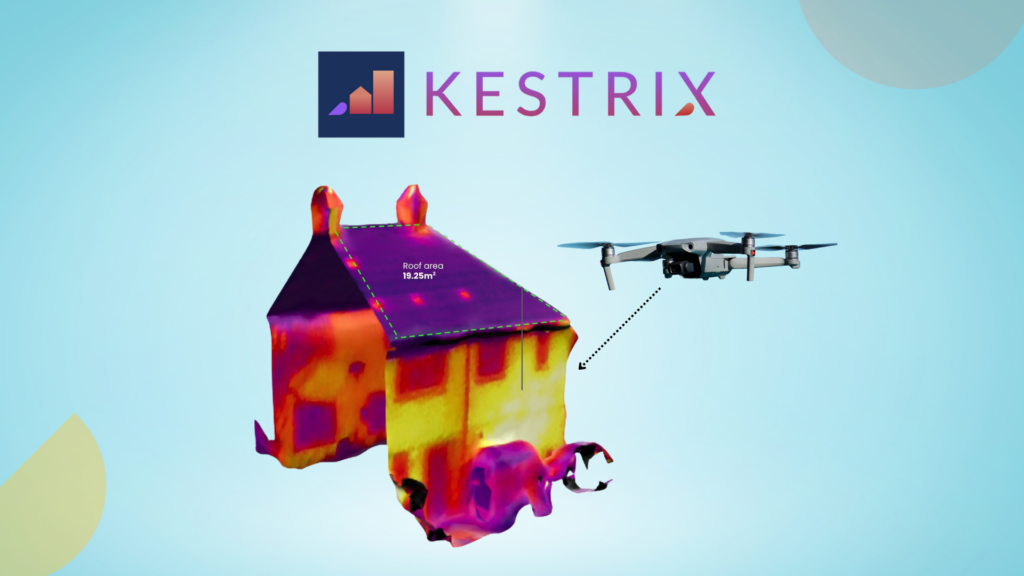
Today, roughly 75% of the EU building stock is energy inefficient, wasting a significant portion of the total consumption. Renovating existing buildings can reduce the EU’s energy consumption and minimize
Cocoa prices have been rapidly rising since 2024 due to global supply shortages. The main reasons are climate adversities in key regions like West Africa and structural farming vulnerabilities. JP
Cocoa is at a breaking point. Climate change, crop diseases like the black pod, and supply chain instability have driven cocoa prices to an all-time high of $12,906 per metric
Most sugar reduction solutions have drawbacks like off-flavors, solubility issues, scalability, and high production costs. Saccharin and Aspartame are cheap sugar substitutes, but health concerns have led the WHO to
The rising use of GLP-1 receptor agonists like Ozempic and Wegovy isn’t just a medical trend; it’s also changing the landscape of the food and beverage industry. According to a
In a survey by CGS of 1000 U.S consumers, almost half (47%) said they would pay 25% more for sustainable products. The sustainable food packaging market is expanding as consumers
While 5G networks are still expanding, companies have already set their sights on 6G. Research labs, telecom giants, and universities are actively shaping the next generation of wireless technology. Strategic
As sustainability pressures grow, dairy brands are shifting to recyclable, lightweight, and biodegradable materials like rPET and paper-based wraps. However, these advancements introduce new challenges in product freshness, barrier protection,
Sustainable Aviation Fuel (SAF) is the linchpin of decarbonizing air travel, but current production methods face a fundamental bottleneck: scalability. Hydroprocessed Esters and Fatty Acids (HEFA), the leading SAF pathway
Conventional rubber production for tires relies heavily on synthetic rubber, primarily petroleum-based. It’s one of the largest sources of carbon emissions within the automotive sector. Reselo has stepped up to
Gen Z alcohol consumption dropped 25% in the last four years. This has led major brands like AB InBev, Heineken, and Carlsberg to expand their non-alcoholic product lines. Rising health
The long-standing popularity of glass bottles for alcohol is slowly shattering. Their energy-intensive production and heavy weight in transportation increase carbon emissions, prompting stricter regulations. The European Union’s Packaging and
The tire industry is under pressure to solve tire wear and sustainability challenges. EVs generate over 20% more tire wear particles, worsening microplastic pollution and pushing regulators to act. Meanwhile,
The European Union’s Packaging and Packaging Waste Regulation (PPWR), which took effect on February 11, 2025, aims to reduce packaging waste and promote a circular economy. This regulation mandates that