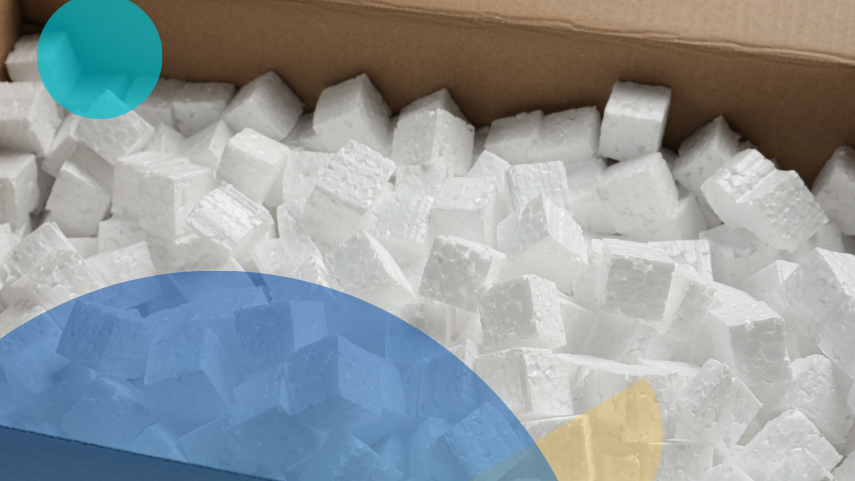
The packaging team at a leading manufacturing company wanted to identify reliable, sustainable alternatives to Expanded Polystyrene (EPS) for packaging applications.
This initiative was driven by tightening plastic regulations, including the Packaging and Packaging Waste Regulation (PPWR), and the company’s broader sustainability goals.
The client was looking for materials that could deliver biodegradability, recyclability, or compostability, with EPS key functional properties, like lightweight construction, durability, and protective performance.
However, identifying suitable suppliers proved challenging. Publicly available information often lacked details on production capacity, scalability, cost, and commercial readiness.
To address these challenges, GreyB combined secondary research with structured primary outreach to evaluate supplier capabilities beyond publicly available information. This helped the client find manufacturing-ready, commercially viable alternatives to EPS suitable for large-scale adoption.
Identifying Sustainable EPS Alternative Solutions
The assessment began with an extensive search to identify alternatives to EPS used in packaging applications. This involved thorough secondary research across industry publications, company websites, and market articles.
Through this process, the team identified around 50+ promising solutions. These included materials from the biodegradable EPS family, cellulose, mushroom or mycelium, paper packaging, and other materials that could serve as potential EPS replacements.
At this stage, focus was on broad coverage, mapping all materials with potential technical and regulatory alignment before evaluating their practical feasibility.
Supplier Reach-Outs to Validate Sustainable Claims and Flag False Positives
Direct outreach was conducted with shortlisted suppliers to validate publicly available information and gather additional details on commercial and technical capabilities.
With one supplier, discussions revealed that one material, which was a strong candidate because of its published sustainability claims, was recyclable but not biodegradable. This made it unsuitable for the client’s requirements.
In another case, a well-established supplier appeared to be an attractive collaboration partner based on its public profile. However, discussions revealed that for now the company isn’t open to external partnerships due to internal business priorities.
By combining secondary research with supplier validation, the team filtered out false positives and identified solutions that were both technically suitable and commercially viable for large-scale adoption.

Paper Honeycomb Packaging as EPS Replacement
Paper Honeycomb Packaging by Eco Globe Packaging was one of the examples assessed during the study.
This packaging is made from 100% recycled paper and offers structural protection, along with full recyclability and biodegradability. Its customizable design and established commercial availability support adoption across a range of packaging applications, making it a practical option for companies transitioning away from EPS.
BioFoam as EPS Replacement
BioFoam by Woamy is a lightweight, bio-based material that reduces environmental impact while maintaining effective product protection. It is fully biodegradable and compatible with cardboard recycling streams.
The material is also customizable across different packaging formats. These properties make this one of the well-rounded EPS alternatives identified in the assessment.
Assessment Approach
1. Identification of Relevant EPS Alternative Solutions
The first step focused on identifying sustainable alternatives to Expanded Polystyrene for packaging applications. The team evaluated potential solutions based on:
- Technical performance
- Supplier capabilities
- Sustainability attributes
- Production capacity
- Geographic presence
- Commercial feasibility
The search covered industry publications, company websites, and market articles.
This assessment identified around 50+ promising solutions across biodegradable EPS family materials, cellulose, mushroom or mycelium, paper packaging, and other potential EPS replacements.
2. Ranking and Evaluation of the Solutions
This step helped prioritize solutions based on both technical relevance and adoption readiness. Shortlisted solutions were evaluated using the following parameters:
- Sustainability: Evaluation of materials’ biodegradability, recyclability, and compostability properties.
- Functional performance: Assessment of material properties such as strength, rigidity, and structural integrity for packaging applications.
- Scalability and commercial feasibility: Review of manufacturing scalability, commercialization readiness, and supplier capabilities.
- Application scope: Range of packaging applications where the EPS alternative can be effectively deployed.
- Cost efficiency: Comparative cost of the alternative solution relative to EPS.
3. Supplier Validation Through Primary Reach-Outs
Primary reach-outs were conducted with identified suppliers to gather information on crucial study parameters.
Supplier-verified intelligence helped identify false positives, correct gaps in publicly available information, and confirm which solutions were genuinely available and open to collaboration.
This step was especially important because supplier websites often did not provide enough visibility into production capacity, scalability, cost, commercial readiness, or willingness to collaborate.
4. Recommendation of Top Suppliers and Co-Development Options
The final output recommended the top 5 EPS alternative solutions and their suppliers.
Each recommendation included:
- Reasons for selection
- Supplier caveats
- Alternative suppliers
- Potential co-development steps to create customized products as needed
This gave the client a clearer view of which suppliers were suitable for immediate consideration and which required further validation before engagement.
The Client Could Make Supplier Decisions Based on Verified Information
As packaging regulations and sustainability expectations continue to evolve, companies need supplier assessments that go beyond publicly available information.
The engagement helped validate sustainability claims, assess production capabilities, confirm collaboration readiness, and verify actual product attributes.
It also helped eliminate false positives identified through secondary research alone.
Instead of relying on website claims, the client received a clearer view of which sustainable EPS alternatives were technically suitable, commercially viable, and aligned with large-scale adoption needs.
How Can Packaging Teams Identify Reliable EPS Alternatives for Protective Packaging?
Packaging teams evaluating sustainable EPS alternatives need to look beyond headline claims such as biodegradable, recyclable, compostable, or bio-based. They need to confirm whether the material can maintain lightweight construction, durability, and protective performance while also meeting production, scalability, cost, and regulatory requirements.
For teams working through similar material transitions, packaging innovation consulting can help compare sustainable packaging materials across performance, scalability, and implementation fit. A focused supplier scouting approach can also help identify suppliers that are not only technically relevant but also commercially ready and open to collaboration.
Regulatory pressure adds another layer to these decisions. PPWR consulting can help teams assess packaging options against evolving recyclability and sustainability expectations. Related work on replacing Styrofoam in protective transport packaging also shows why EPS replacement decisions need validated supplier intelligence, not website claims alone.
GreyB helps clients move from broad research, supplier claims, and early-stage concepts to validated, commercially viable solutions.
Fill out the form below and connect with our expert today.