Sugar reduction has remained a continuous trend in the F&B industry due to the increasing awareness of health risks associated with excessive consumption. Linked to various health issues, including obesity,
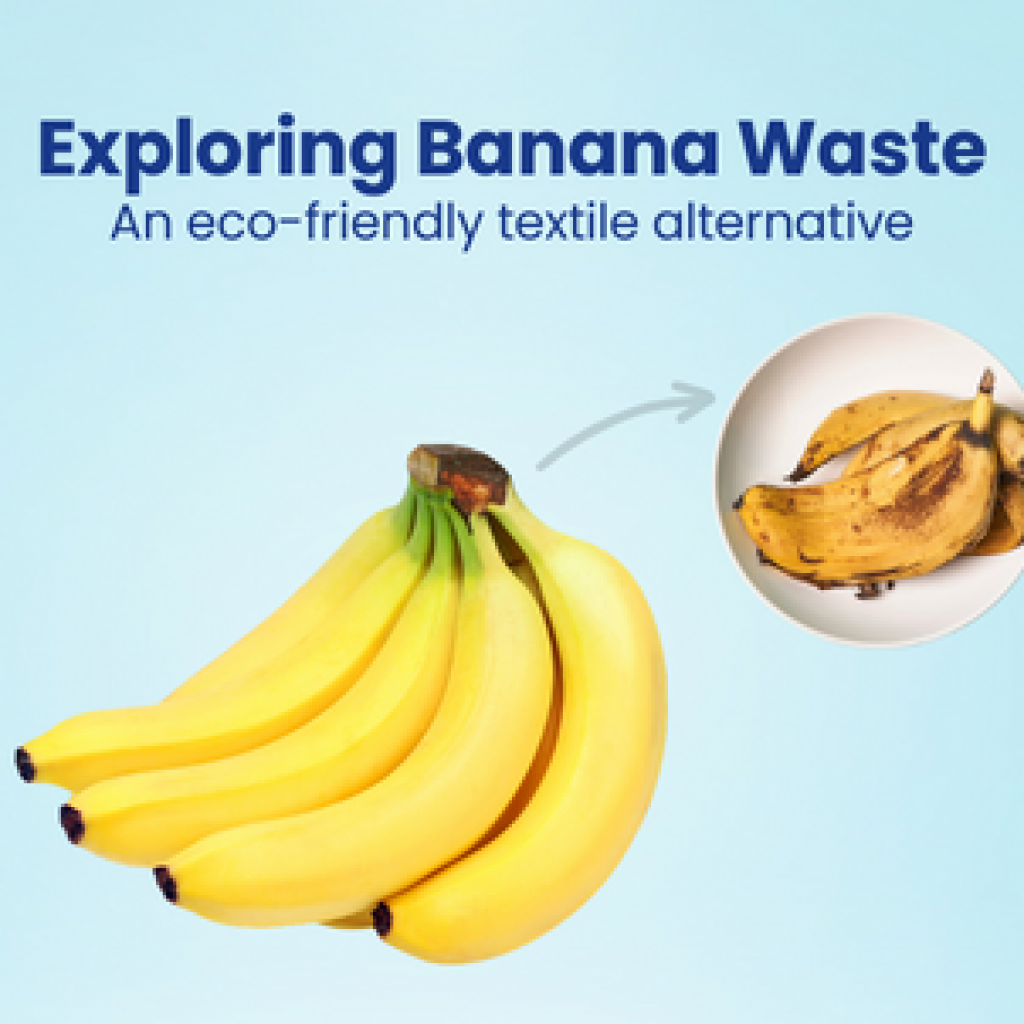
The alarming reality of 92 million tons of clothing ending up in landfills annually has fueled the textile industry’s strategic shift toward biodegradable clothes. Many companies and startups are researching
According to the most recent US Geological Survey report, irrigation accounted for 42% of the nation’s total freshwater withdrawals in 2015. As a result, governments are enforcing regulations to limit
Enzymes are natural, powerful processing aids that can unlock new sweeteners with lower calorific value from plant material. And are therefore, a promising sugar reduction solution. As a result, various
Lithium-ion batteries have powered mainly electric vehicles (EVs), which offer high energy density and relatively long life cycles. However, challenges such as lengthy charging times, limited range, battery degradation, and
Neurological disorders, ranging from Alzheimer’s disease to Parkinson’s and multiple sclerosis, present significant challenges in the medical field due to their complex nature and the brain’s intricate structure. One of
Some vertical farming systems can be up to 170x more productive than traditional agriculture and use 97% less water! With the world population projected to reach 9 billion by 2050,
With the growing demand for clean energy, solar, and wind power fall short in providing a constant supply. Thus, there is an urgent need for new ways to store efficient,
Food traceability systems have relied heavily on paper-based records and fragmented digital solutions. These methods are often prone to errors, lack real-time tracking, and struggle with data integrity and transparency.
Traditional packaging solutions often fall short in real-time tracking and product integrity. Challenges such as counterfeit products, inefficient supply chain management, and environmental concerns have necessitated a shift toward better
Traditional nutrition often follows a “one-size-fits-all” approach, providing general dietary guidelines that are supposed to work for everyone. On the other hand, personalized nutrition considers individual differences such as genetic
Traditionally, surgeons have relied on pre-operative images, manual markings on the patient’s body, and their experience and skills to guide surgical procedures. However, these methods have inherent challenges. Static images
Traditional digital healthcare solutions have revolved around episodic, often reactive, medical consultations and interventions. These models face challenges in continuous patient monitoring, real-time data analysis, and proactive health management. With
Technological advancements in healthcare have enabled the creation of implantable medical devices for treating various orthopedic and cardiovascular conditions. However, these miniature medical devices still have a long way to
Skincare products have relied heavily on water as a primary ingredient, not only due to its solvent properties but also for its perceived hydrating benefits. However, this reliance poses significant
The cosmetics industry utilizes roughly 120 billion packaging units annually, making it the fourth largest user of plastic packaging. As a result, many renowned brands are leaning towards eco-firendly packaging.