Scientists are using microbes to turn urban sludge into organic fertilizers for regenerative agriculture! Turning food waste, sewage sludge, and crop leftovers into fertilizers that boost crop yields, improve soil
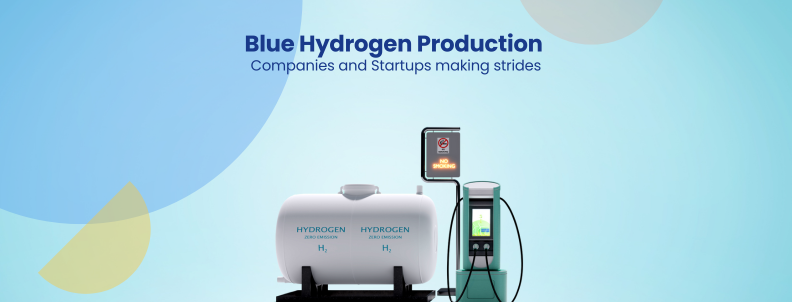
Hydrogen has emerged as a promising clean energy source, but its production methods have faced significant environmental challenges. Traditional methods rely heavily on fossil fuels, contributing to greenhouse gas emissions. Blue
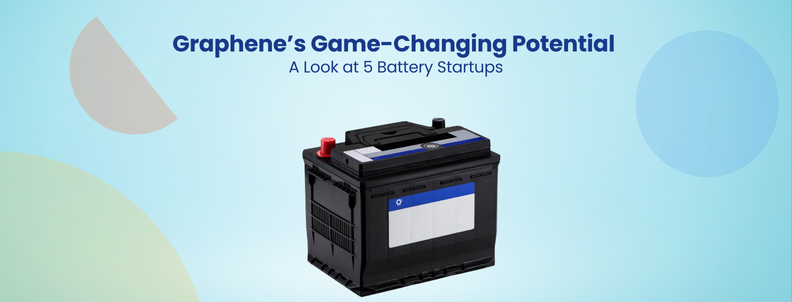
Lithium-ion batteries have long been the standard in the battery industry, powering everything from mobile devices to electric vehicles. While these batteries have advanced portable power, they have limited energy
The cosmetics industry hosts more than 200 conferences every year, offering thousands of hours of insights and innovations. But with product development cycles becoming increasingly compressed and consumer expectations soaring,
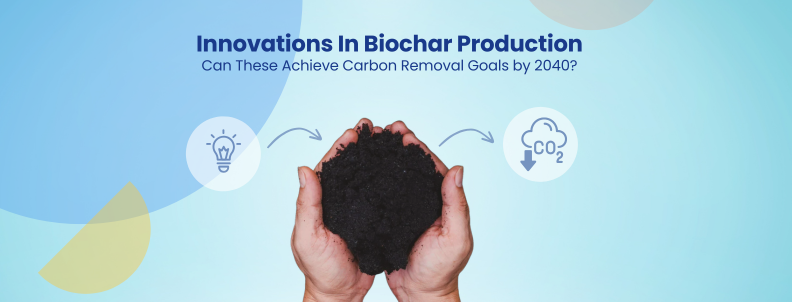
In 2023, biochar carbon removal represented over 90% of delivered carbon credit. At an average cost of $176 per tonne, it is the most cost-effective offsetting technique compared to nature-based
Maintaining product integrity, increasing shelf life, and preventing contamination are some of the crucial problems various industries tackle today, especially the food and pharma sectors. Evidently, the ongoing innovations within
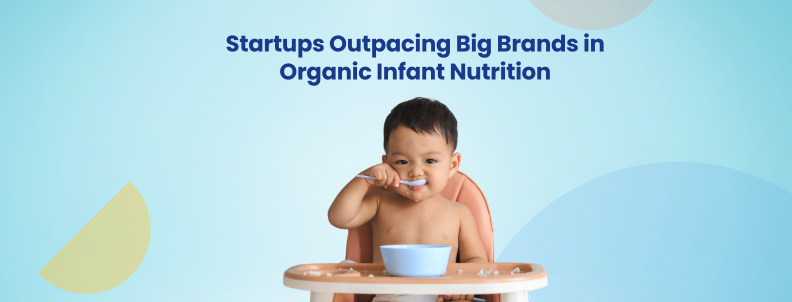
New Zealand Milk Products(NZMP) by Fonterra reports that approximately 78% of consumers prioritize organic infant nutrition products for environmental and health concerns. This shift has pressured infant nutrition companies to
According to Eurostat, in 2021, Europe generated an estimated 188.7 kg of packaging waste per individual. Packaging is one of the primary users of virgin materials. About 40% of plastics
Selecting the right crowdsourcing model is key to gathering actionable insights and validating ideas efficiently. Beyond solving specific challenges, it strengthens community engagement and drives scalable innovation. Companies like Coca-Cola
The growing demand for smaller, faster, and more efficient devices has accelerated the adoption of Micro-electromechanical systems (MEMS), also called micromachines (in Japan) or microsystems technology (MST) (in Europe), across
Industry data shows that drug development costs can reach up to $2.5 billion per successful therapy, including the costs of failed trials. For many companies, even one failure can be
Approximately 1 billion patients have lost sight due to ocular diseases, even though multiple treatments exist. Half of the patients find it hard to keep up with their eye treatments,
Despite ethical concerns, 90% of preclinical trials rely on animal testing. However, only 50-60% of these tests accurately predict human outcomes. But what if these tests could be performed directly
The transition was far from smooth when Procter and Gamble first adopted open innovation. Internal teams, accustomed to safeguarding proprietary knowledge, conflicted with external partners over shared goals and responsibilities.
Over the past decade, the average American’s protein consumption has increased by 25%. This surge in demand has led to unsustainable livestock farming, producing millions of tons of food waste
Over 500 million global diabetes patients urgently need better wound care. The existing AI healthcare systems are unable to meet this demand. AI healthcare systems struggle to detect chronic conditions