



The global packaging industry will be worth roughly $1.32 trillion in 2026 and $1.75 trillion by 2035. But the aggregate hides the real movement. Flexible packaging is growing at 4.2% CAGR, e-commerce packaging at 4.86%, healthcare is growing faster than any other vertical, and sustainable packaging is on track to hit $737 billion by 2030.
Flexible foil is forecast to decline as multi-layer laminates get replaced by mono-material plastics.
Where the capital actually goes is decided not by these topline forecasts, but by who owns the IP, which startups have already commercialized, and which patents are still freedom-to-operate.
The biggest single force pulling this capital is regulatory. Maryland and Washington recently signed the Extended Producer Responsibility (EPR) law, becoming the sixth and seventh US states to move towards legalizing this concept.
Now, one-fifth of the population, including residents of Maine, Oregon, California, Colorado, and Minnesota, lives under a packaging EPR policy. Producers must now register in multiple jurisdictions, report material volumes, and pay fees that vary based on recyclability.
On the other end of the world, the UK’s EPR tax could push the costs of glass recycling to £330 per tonne. Pev Manners, managing director of Belvoir Farm, highlighted that such fees could add approximately 25p to each bottle of their cordial, potentially eradicating the company’s annual profits.
Beyond sustainability, health-related regulations are reshaping the industry as well. For instance, the World Health Organization (WHO) is advocating for cigarette-style cancer warnings on alcohol packaging. Regulations like these will certainly add yet another compliance challenge.
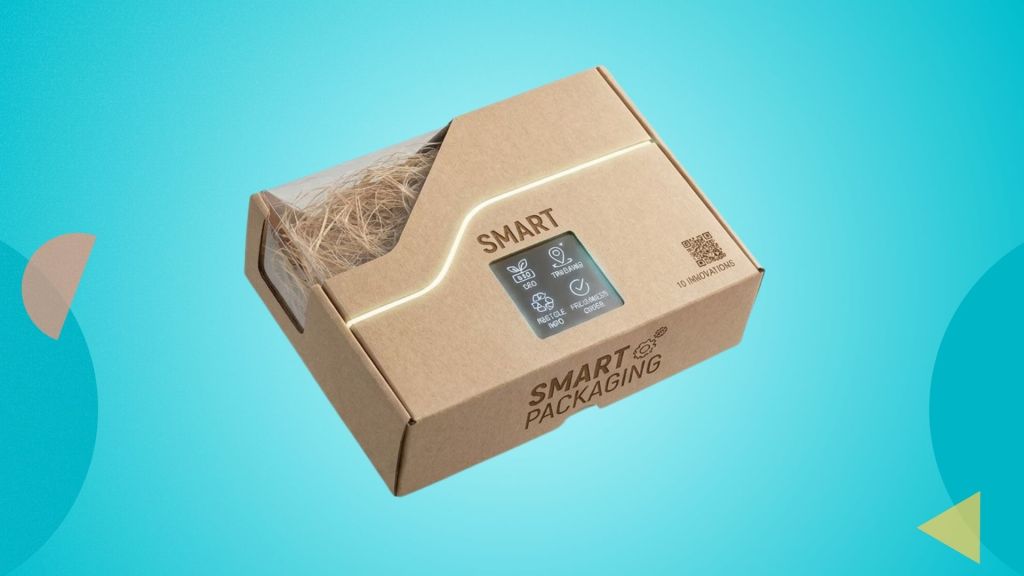
In response, the industry is witnessing innovations in areas such as smart and IoT packaging, biodegradable materials, reusable and recyclable packaging, and nanotechnology packaging.

Source: Slate
The trends and innovations discussed in this article are part of our 2026 Packaging Industry Trends Report. Fill out the form below to get your copy of this upcoming delivered to your inbox:
1. Smart Functional Indicators: Intelligent Packaging for Quality and Safety
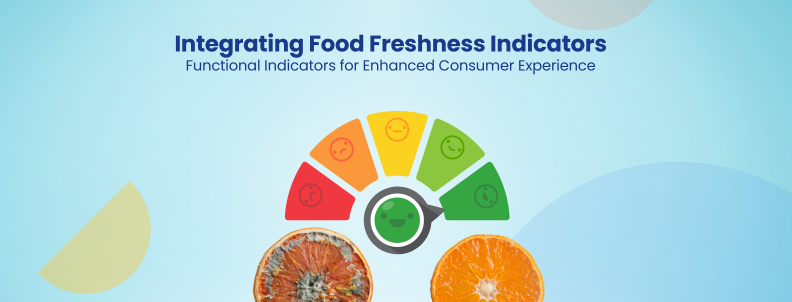
Smart indicators are becoming a practical tool in packaging to monitor product condition in real time. Moving beyond basic labels, today’s solutions include printed electronics, biosensors, and gas-sensitive inks that respond to spoilage, temperature shifts, or tampering events.
For food, they help reduce waste by indicating whether items are still safe to consume past their expiry dates, especially for perishable goods like meat or seafood. In healthcare, they offer clear value in tracking cold chain integrity for vaccines and biologics, and in alerting to breaches in sterile packaging.
These indicators use different technologies, such as:
- Color-changing inks or strips that change color when they detect gases released by spoiled food
- Biological sensors (enzymes or tiny biological elements) that react when they detect harmful bacteria or contamination.
- The packaging prints ultra-thin electronic circuits with wireless communication chips that allow you to scan the package with your phone to check if the product is still good.
Innovations in Smart Indicators
Printed Oxygen Sensor of Senoptica Technologies
An Irish company called Senoptica Technologies has created a special printed sensor that monitors oxygen levels inside food packages. The sensor uses a food-safe ink printed on the inside of the package. Many food products are sealed in packages with specific gas mixtures to keep them fresh longer. If the package develops even a tiny leak and oxygen gets in, the food can spoil faster than expected. When this happens, the ink changes color, and a scanner can detect this change.
This system is 11,000 times better at catching defective packages than the old method of randomly checking a few packages here and there.

The sensor has passed safety regulations and is now being tested with major grocery store chains around the world.
What makes it practical is that it can be applied quickly during normal packaging operations, and the packages can be scanned anywhere: in warehouses, during transport, or on store shelves.
This innovation saves money by preventing food waste, helps stores earn more by reducing losses, and ensures customers get fresher, safer products.
Time-temperature indicators
Another startup, Insignia Technologies, offers time-temperature indicator labels that gradually change color to show how long a package has been open or above refrigerated temperature. This gives consumers a visual cue of freshness.

In the pharmaceutical industry, companies like Zebra (Temptime) provide small chemical dots that are placed on vaccine bottles. If the vaccine gets too warm or too cold during storage or shipping, these dots permanently change color as a warning. It’s a simple yet effective way to meet strict FDA requirements for storing medicines.
Smart indicators are becoming common in many industries. For example, online retailers and shipping companies now use sensors that show if a fragile package was dropped or tilted too much during delivery. Electronics shipments often include humidity indicators that reveal if moisture got inside the package, which could damage the contents. These examples show that smart indicators are becoming standard practice across different industries.
Recommended Read
2. Refillable and Reusable Packaging: Large-Scale Systems
The EU’s Packaging and Packaging Waste Regulation (PPWR) mandates that by 2030, 40% of all packaging must be reusable (rising to 70% by 2040).
Specific industries face even stricter requirements. For example, takeaway restaurants in Europe must set up reuse systems by 2028 and aim for 10% of their packaging to be reusable by 2030. The beverage industry has its own targets: 10% of beverage sales must be in reusable packaging by 2030, scaling up to 40% by 2040.
The regulations also include design requirements. Article 11 of PPWR outlines that packaging marketed as reusable must be durable enough to survive multiple trips under real-world conditions and must be trackable through labels or digital systems. Companies also need to document testing results (for example, proving a bottle can survive 10 or more wash cycles) and set up systems to track how many times each container has been used.
In the United States, while federal requirements are less developed, states like California (through laws like SB54) are emphasizing waste reduction and could move toward supporting reuse models.
Under these factors, refillable and reusable packaging is moving from small experimental programs to large-scale systems that work across entire cities or countries.
Industries Adopting Refillable Packaging
Beverage Industry
Beverage companies are introducing refill stations, reusable glass bottles, and alternatives to single-use plastics across their product lines. Coca-Cola’s initiatives in this direction are a prime example, with returnable glass bottles and refillable PET currently representing more than 50% of the company’s product sales in over 20 markets.
The company aims to have 25% of its beverages globally in reusable packaging by 2030 and is pushing its major European bottlers to expand refillable bottling lines. They are expanding their “Universal Bottle,” a standardized reusable bottle in the same color, shape, and size that multiple brands can use. The company is also working to introduce refillable 2-liter and 1.5-liter PET bottles.
In North America, where dispensed drinks comprise a significant volume, Coca-Cola has partnered with rCup to provide end-to-end reusable cup solutions at large-scale sports venues, entertainment facilities, cinemas, and festivals. They plan to cover major cities like Los Angeles, San Francisco, Seattle, Denver, and Washington, D.C. These durable polypropylene cups can be used hundreds of times before being upcycled at the end of life. Its rTurn tracking technology will handle the collection, washing, sanitization, and repackaging.
Coca-Cola focuses on reusability and refill models for bottles, while PepsiCo took a different approach by acquiring SodaStream for $3.2 billion in 2018.
SodaStream allows consumers to make customized sparkling drinks at home using reusable bottles. This eliminates the need for individual single-use plastic bottles. The brand claims that one SodaStream bottle can replace over a thousand single-use bottles over five years. Now sold across 40 countries, with the US as the biggest market, SodaStream’s success lies in making reuse convenient and valuable for consumers.
Recommended Read
Food Industry
On the food side, fast-casual chains and cafes like Starbucks have launched reusable cup programs and are testing returnable take-out container systems. Starbucks also offers incentives for customers who bring their own reusable cups.
Consumer goods giants have experimented with refill station pop-ups for dry goods and cleaning products. For example, Nestlé and Unilever partnered with Algramo on pilot programs in which customers refill containers for everyday items such as detergent, pet food, and coffee. The results showed strong consumer interest, especially when cost savings were passed along. Algramo found that low-income shoppers saved 30–50% by buying only what they needed, without paying for disposable packaging.
Personal Care and Cosmetics
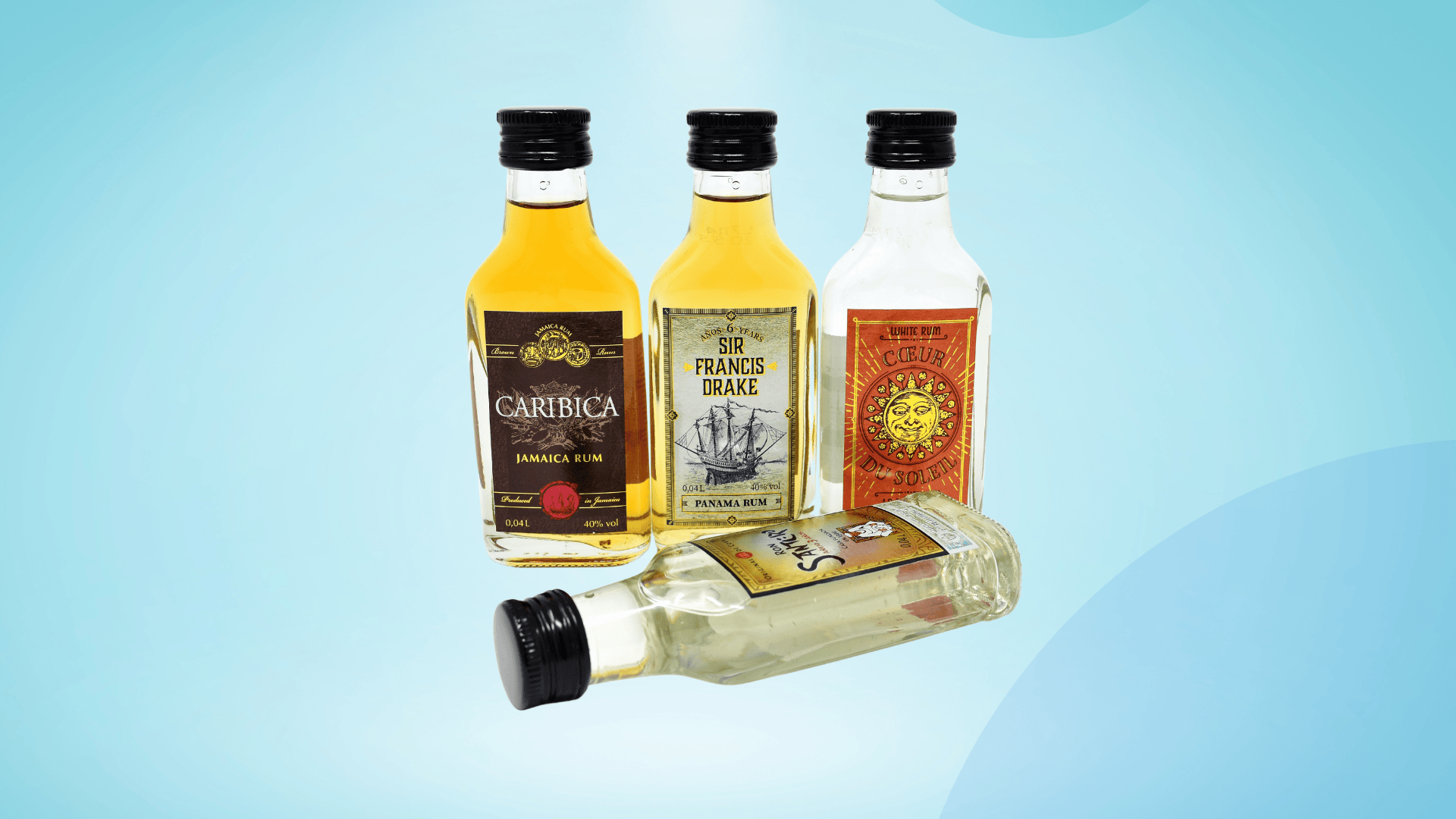
This sector has quickly embraced refills to strengthen its sustainability image. Many cosmetics brands now offer stylish refillable cases for lipstick, moisturizer, or perfume. Customers buy a durable case once, then purchase cheaper refills (often in minimal packaging) from then on.
L’Occitane’s in-store refill fountains for soaps and shampoos cut plastic use by about 80% per refill. High-end brands like Kjaer Weis sell metal cosmetic compacts with replacement inserts.
Stella McCartney, a luxury brand, offers refillable packaging for its cosmetics, inspired by the fountain pen concept. Customers can purchase refills for their products without replacing the entire container.
These innovations reduce waste and can also lower long-term packaging costs for manufacturers. The challenge and opportunity are creating consumer-friendly designs that make refilling simple and mess-free.
E-commerce & Retail Delivery
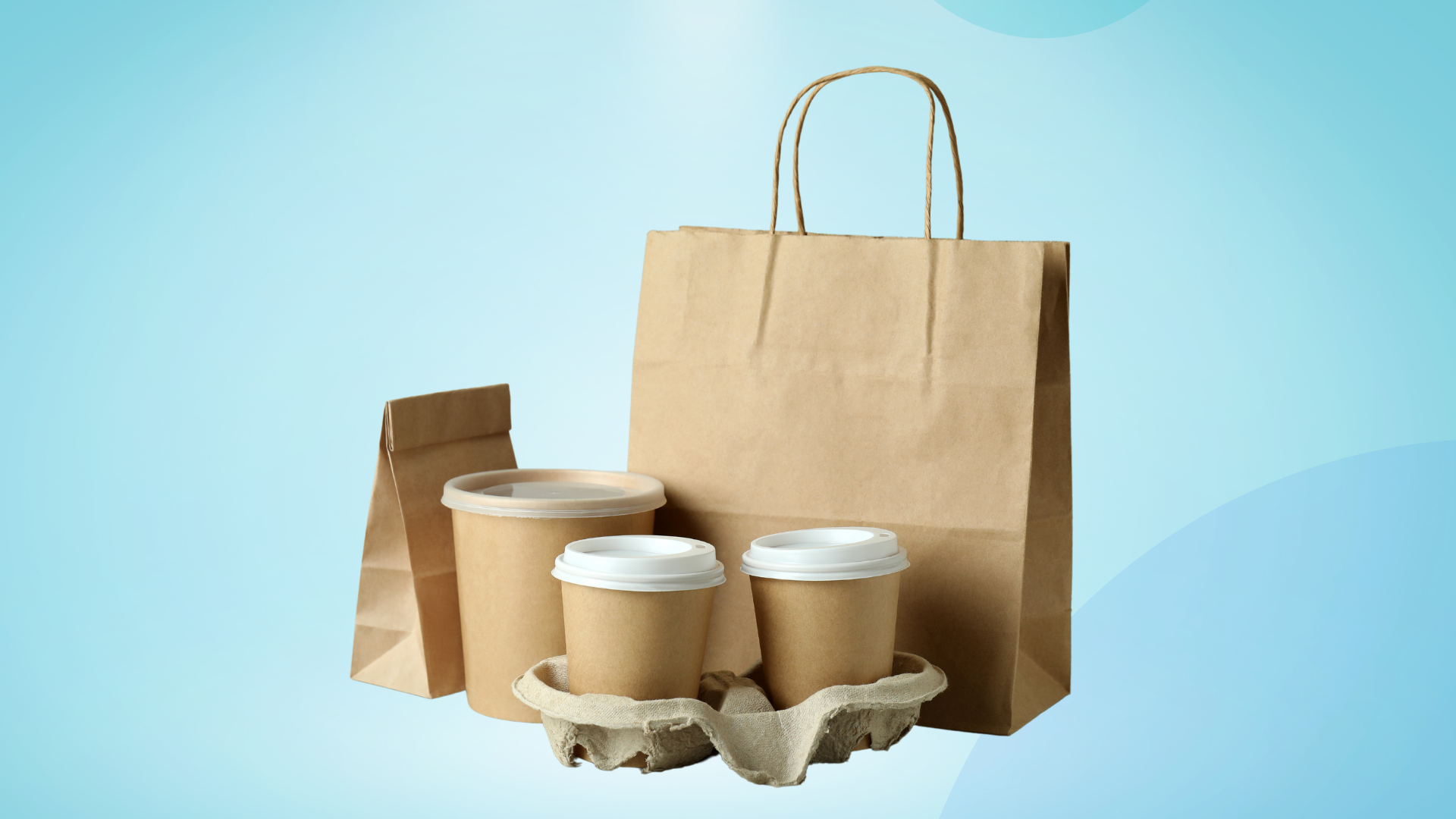
The EU PPWR requires large online retailers to offer customers a reusable packaging option at checkout by 2030. This requirement is driving innovation in durable yet lightweight shipping boxes and convenient return systems (including potential deposit programs to ensure containers come back)
Companies like RePack and Returnity provide reusable bags or boxes for e-commerce orders. Customers receive their goods in a reusable mailer, which they fold and return (often through the regular postal service) for cleaning and reuse.
Amazon has tested reusable totes for local deliveries, and some fashion retailers now ship in reusable garment bags that customers can return.
Recommended Read
Patented Solutions
1. Albea Services
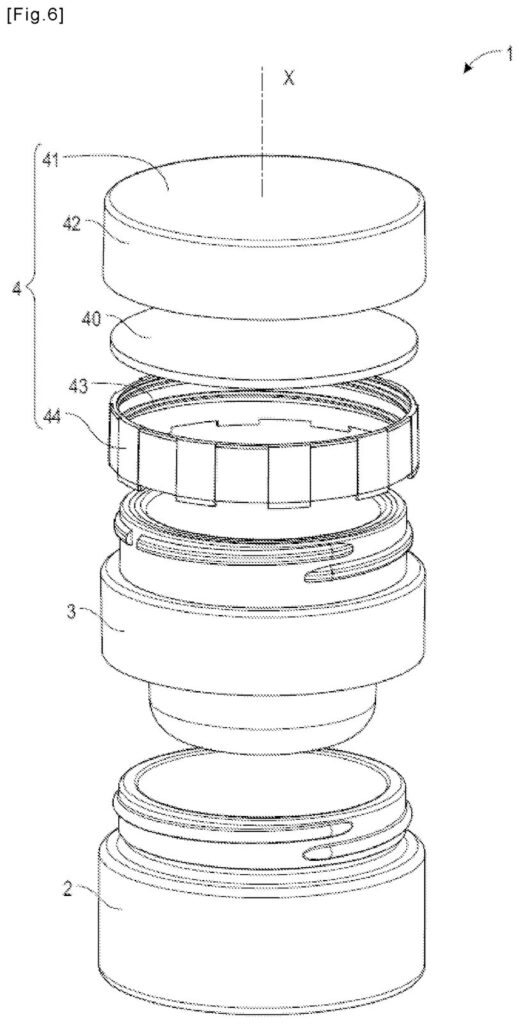
Albea Services SAS has developed a cosmetic product dispenser pot with a removable refill to minimize waste and enable pot reuse. The pot consists of a base, a cover, and a refill. The refill features a ring that connects to the base and cover, allowing the cover to close over the refill rather than directly on the base.
This keeps the cosmetic product in the refill so the empty pot can be reused. The refill is either a flexible bag or a solid piece, designed to prevent the product from being trapped in corners. It also includes anti-rotation features to keep it stable and ensure the cover seals properly. Additionally, the refill may include sealing elements to further secure the product.
2. Procter & Gamble
Procter & Gamble has developed a new type of refillable packaging for a deodorizer. This innovation includes a solid scent block that quickly fits and locks into a dispenser. The block has central and edge surfaces that evaporate, releasing the scent. You can attach this block directly to the dispenser without needing an extra refill container. When the scent fades, replace the old block with a new one. This design makes it easy to refresh the scent without discarding the entire dispenser.

Finding these emerging innovations using a simple Google search is time-consuming. You’ll have to sift through hundreds of search results, many irrelevant to your needs. This is where an AI-powered R&D intelligence tool like Slate helps out.
All it needs is a simple query, like “Latest research and innovations in the packaging industry.”
Within minutes, Slate scours through hundreds of patents and research papers, finds highly relevant inventions, and presents them in a neat dashboard. Here’s a screenshot as an example:

Latest research and innovations in the packaging industry
3. Bio-Based and Advanced Materials for Sustainable Packaging
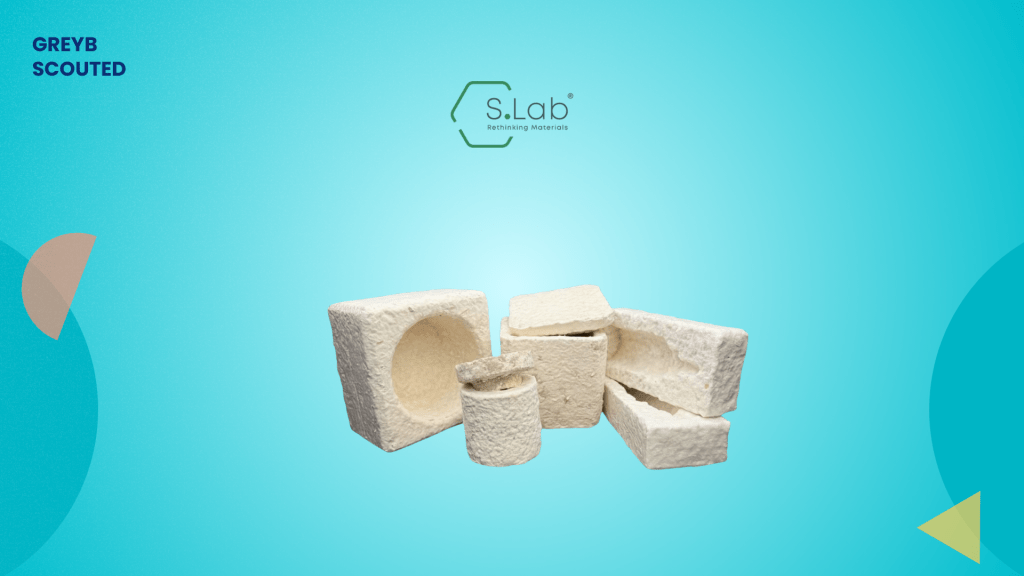
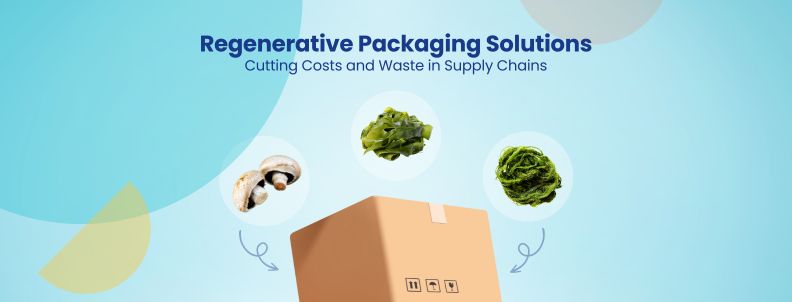
Bio-based and advanced materials represent a new generation of packaging made from renewable resources or engineered for better performance. These include Bioplastics, Biocomposites, and novel materials such as seaweed-based films, mushroom foam, and nanoengineered coatings.
These packaging options can be compostable, recyclable, made from waste materials, or help food stay fresh longer (which reduces food waste).
Why It Matters
Bio-based materials address two critical needs: environmental impact and performance. Unlike petroleum-based plastics, which generate significant carbon emissions, bio-based materials have lower carbon footprints because plants absorb CO₂ during growth. Many also biodegrade or compost, reducing plastic pollution. These materials also help companies comply with environmental and health regulations, such as the PPWR.
The EU’s PPWR is pushing for all packaging to be reusable or recyclable by 2030 and recognizes compostable packaging for specific applications, such as tea bags and fruit stickers. In some countries, such as France, these items must already be compostable. The PPWR and similar laws also require packaging to be free of certain substances, such as PFAS and heavy metals. Using advanced natural coatings or bio-polymers that don’t contain these chemicals helps companies comply with these regulations.
Additionally, Extended Producer Responsibility (EPR) fee structures in Europe are making hard-to-recycle plastics more expensive to use. Companies can reduce these fees by switching to materials that are either readily recyclable (like mono-material bio-PET) or compostable in organic waste streams.
Bio-based materials are more likely to receive regulatory approvals (FDA, EFSA, etc.) for food-contact safety, toxicity, and migration limits in food and pharma packaging. The recent food-contact approval of PEF (polyethylene furanoate) is an example of this.
Recommended Read
Innovative Materials
Avantium is replacing PET in pharmaceutical and food packaging
PEF is an emerging bio-based polymer with a 100% plant-derived polyester. It is chemically similar to PET (polyethylene terephthalate) but offers superior gas barrier and thermal properties. In 2024, Avantium (a Dutch company) completed the world’s first commercial plant for FDCA, PEF’s key ingredient.

What makes PEF particularly attractive is that it’s not only bio-based and recyclable in existing PET streams, but it actually outperforms conventional plastics like PET, PP, and even foil in some metrics. For example, it has significantly better oxygen and CO₂ barrier performance, which can extend shelf life for sensitive products.
Avantium patented the YXY process to make FDCA from plant sugars and has now licensed the technology globally.
They’ve signed deals with bottlers and BIOVOX (a pharmaceutical packaging firm) to use PEF for blister packs and containers for medicines.
BIOVOX evaluated PEF and found that it meets the strict demands of pharmaceutical packaging. It’s chemically inert, offers high barrier properties, and is mechanically robust, while being 100% plant-based and recyclable.
Amai LLC’s biodegradable butter packaging for food packaging
Amai LLC has developed an eco-friendly, edible, and compostable butter packaging film that replaces traditional parchment and aluminum foil. This film combines a composite paper layer with a biodegradable layer of polylactic acid (PLA) and polyhydroxybutyrate. It preserves butter’s aroma, texture, and moisture. The packaging is fully degradable in composting conditions, making it a zero-waste packaging solution for the food industry.
Biodegradable sachets for cosmetic products
British skincare company Elemis collaborated with Morro, a producer of plant-based materials, to create single-use sachets for cosmetics that are free from plastics and fully biodegradable. Elemis repurposed its residual plant materials to craft a bio-based film that forms the core of these environmentally responsible sachets.
Startups and smaller innovators are also patenting unique materials. For example:
- Notpla (UK) has patented seaweed packaging formulations
- Ecovative (USA) has patented mycelium foam processes
- Danimer Scientific holds hundreds of patents on PHA production and blends. Danimer’s PHA product (Nodax®) has led to partnerships with PepsiCo and Mars Wrigley to create biodegradable snack packaging and straws. It’s also FDA-approved for food contact.
In advanced recycling, companies like Carbios (France) have patented an enzyme-based process that breaks down PET into monomers for re-polymerization, effectively creating infinite recycling loops for PET. This technology enables the use of 100% recycled PET in packaging without quality loss, a significant advance in material circularity.
Recommended Read

4. New Progress in Modified Atmosphere Packaging (MAP)
Modified atmosphere packaging (MAP) is a well-established technology that has revolutionized food preservation by altering the gas composition within the packaging to extend shelf life and maintain product quality. As consumer demand for fresh, high-quality food increases, the MAP industry is witnessing continuous technological advancements driven by the need for more effective, sustainable, and cost-efficient solutions.
This report explores the current trends in MAP innovation, highlighting the increasing adoption of novel technologies and their potential impact on the food packaging landscape.
Growth and Increasing Adoption
The global MAP market is experiencing steady growth, with a projected CAGR of 4.5% to 8.92% over the next five years. This growth is attributed to several factors:
- Rising demand for fresh, convenient food: Consumers increasingly seek fresh, minimally processed food options, and MAP plays a crucial role in maintaining product freshness, extending shelf life, and reducing food waste.
- Focus on sustainability: The industry is actively exploring eco-friendly materials and packaging techniques for MAP, aligning with growing consumer demand for sustainable packaging.
- Retail adoption: Major retailers recognize and leverage the benefits of MAP for their private-label brands, leading to broader market penetration.
Patented Solutions
Traditional MAP methods involve gas flushing and barrier films to control oxygen and carbon dioxide levels in the packaging. However, recent advancements are pushing the boundaries of this technology:
1. SOFRESH
SOFRESH INC’s invention pertains to packaging materials for storing humidity-sensitive products, such as food items. Traditional polymeric films are often used for food packaging, but they may not adequately control factors such as moisture and oxygen levels. To address this, the present innovation introduces multilayer film constructions with active agents that release in response to humidity changes.
Technical Details:
- Packaging System Components: The system comprises multilayer film constructions that include core structural layers and moisture-sensitive barrier activation layers.
- Active Agent: These layers contain an active agent, such as ethyl pyruvate, distributed throughout the core layers.
- Controlled Release Mechanism: The barrier activation layers are designed to lose their barrier properties and release the active agent into the packaging space when the humidity level inside the package exceeds a certain threshold.
- Film Composition: Core layers are typically made of materials such as polyethylene, while moisture-sensitive layers may include ethylene-vinyl alcohol or polyvinyl alcohol. These layers are selected for their ability to maintain barrier properties until humidity triggers them.
- Application: The system can be used for various packaging formats, such as pouches, trays, or container lids. It’s suitable for storing food items such as bakery goods, cheese, and meat, extending their shelf life by controlling moisture and preventing microbial growth.
Recommended Read
2. Preservation System Inc
PRESERVATION SYSTEMS INC has innovated a new system for packaging food to make it last longer. Here are the key details:
- Problem: Existing modified atmosphere packaging (MAP) methods are bulky and unsuitable for home use. They also require special containers that cannot be reused.
- Solution: This invention is a handheld device that can be used with reusable containers to create a MAP environment. It works by sucking out air from the container and then replacing it with a specific gas mixture.
- Benefits: This system can be used at home to extend the shelf life of perishable foods. It is also more compact and user-friendly than existing MAP systems.
Here’s a breakdown of the solutions:
- Gases used: Depending on the food being stored, the system can use various gases, such as nitrogen, carbon dioxide, and argon.
- Refilling gas canisters: The device uses replaceable canisters filled with pressurized gas.
- Monitoring gas levels: The system can estimate the amount of gas remaining in a canister based on factors like the force required to dispense the gas.
- Sealing the container: A unique lid with an umbrella valve creates a tight seal on the container.
- Mixing gases: The lid design helps to improve the mixing of gases within the container.
Outlook
The trend towards innovative MAP technologies is expected to continue, driven by the need for sustainable solutions, improved food quality, and reduced waste. As research and development efforts intensify, we can anticipate further advancements in areas like:
- Active packaging technologies: Incorporating sensors and antimicrobial agents into the packaging to monitor and control the internal environment.
- Intelligent gas control systems: Development of automated packaging systems that dynamically adjust gas composition based on product needs.
- Personalized MAP solutions: Tailoring MAP parameters to specific food types and storage conditions for optimal shelf life and quality preservation.
Read how we helped our clients

5. The Rise of Minimalist Packaging: Less is more
The packaging industry is witnessing a significant shift towards minimalism, prioritizing the use of the least materials necessary to protect and contain a product. A confluence of factors drives this trend:
Environmental Concerns: Growing awareness of the ecological impact of excessive packaging, particularly plastic waste, is prompting consumers and brands to seek sustainable alternatives. Minimalist packaging reduces resource consumption, minimizes waste generation, and contributes to a circular economy.
Consumer Preferences: Consumers increasingly value eco-conscious brands and products. Minimalist packaging aligns with this preference, demonstrating a brand’s commitment to sustainability.
Cost Efficiency: By using fewer materials, brands can save on production and transportation costs.
Focus on Functionality: Minimalist packaging emphasizes functionality over unnecessary embellishments, ensuring the product remains the focal point.
Patented Solutions
1. Nestle
Nestle’s less headspace packaging: Currently, patties and burgers are often packaged in plastic or paperboard boxes with a lot of space inside (headspace). This extra space isn’t ideal because it can shorten the food’s shelf life and generate additional waste.
Here’s the innovation: This new packaging is made from cellulose (plant material) and is shaped to fit the food closely, reducing the space between the food and the packaging to less than 10%. This is good because it helps keep the food fresh longer without needing plastic or a vacuum-sealing process (which can damage the food).
This invention achieves the core goals of minimal packaging:
- Reduces the amount of material used.
- Utilizes sustainable and biodegradable materials.
- Minimizes the need for additional processing steps
2. Local Bounti Operating Co LLC
Local Bounti Operating Co., LLC has developed optimized packaging for various products, including food items like leafy greens, representing another minimalist packaging innovation.
This packaging design includes a rigid frame with sealed film surfaces that reduce weight, enhance freshness, allow gas exchange, and support sustainability by minimizing waste and utilizing recycled materials.
This patent describes a new product packaging design that offers features associated with minimal packaging. It uses a strong, rigid frame for the sides, and top/bottom closures are made with thinner films. This can reduce overall material use compared to entirely rigid containers.
The design allows for resealing at least one of the top or bottom films, enabling multiple uses of the container and reducing single-use packaging waste.

Outlook
Minimalist packaging is a clear and growing trend in the packaging industry. This approach offers significant environmental and economic benefits, driven by ecological concerns, consumer preferences, and cost efficiency. As innovation continues, we can expect even more creative and sustainable minimalist packaging solutions to emerge, further reducing the industry’s environmental impact.
Conclusion
As you plan your packaging investments for 2026 and beyond, three things matter most: Material, Design, and Strategy.
Focus on materials that are actually being produced at scale and meet sustainability requirements, such as plant-based films and fully recyclable formats. Companies like Xampla are proving that these materials work at scale, cost less over time, and fit into existing supply chains. These promises help it secure $14 million in funding to produce packaging films made from plant proteins.
Next, design for recycling from the start, as the Australian wine industry does. Leading Australian wine producers are developing a recyclable bag-in-box for wine in partnership with SIG. Every component of the bag-in-box, including the bag, tap, and carton, is recyclable. Innovations like these will cost you less in fees and help meet the future compliance requirements.
Third, understand the full picture before you invest. You need to know who owns the patents, which competitors are spending money on development, and whether the technology can work with your current production lines and meet regulatory requirements.
That’s where GreyB comes into the picture.
If you’re assessing which packaging materials, designs, or innovations are worth the investment, we can help you dig into feasibility, IP coverage, and competitor activity to reduce the guesswork. Our comprehensive report will identify who’s investing in technology development, which technical problems they are solving, and where innovation clusters are forming in the packaging industry.
Fill out the form below and talk to our experts today.