
Brisil’s Patented Technology Making Highly Dispersible Silica from Rice Husk Ash – Insights from Tanmay Pandya, CEO
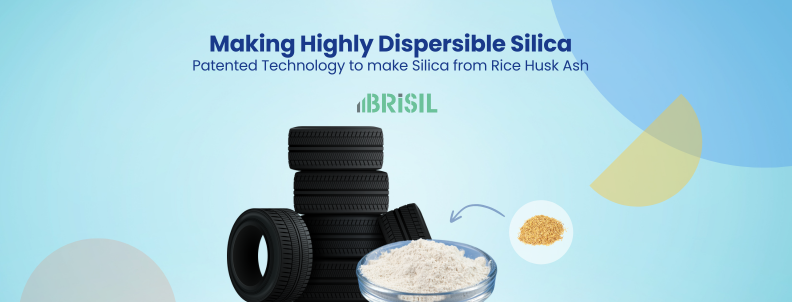
Rice husk ash, a byproduct of burning rice husk for fuel, presents a significant disposal issue for industries, especially as pollution regulations become increasingly stringent. Without proper disposal methods, this ash can contribute to environmental pollution. Parallely, industries such as tire manufacturing are under pressure to adopt greener, more sustainable materials to reduce carbon emissions […]
How Soarce creates high-performance nanomaterials from seaweed. Insights from Derek Saltzman, CEO.

Conventional protective textiles, such as fire retardants and UV shielding materials, often contain toxic substances like Zinc Oxide and halogenated compounds. In addition to having significant environmental footprints, these harmful compounds can leach into the skin during use. Many eco-friendly alternatives have risen, but they struggle to match conventional materials’ performance and durability, making them […]
5 Sustainable Ingredients Sourcing Startups In Beauty Industry

Beauty and cosmetics supply chains prioritize cost-effectiveness and broad availability of ingredients over environmental impact and ethical considerations. This conventional approach can lead to significant environmental degradation, including deforestation, overharvesting of natural resources, and labor exploitation. The lack of traceability and transparency in these supply chains also leads to a disconnect between consumers and the […]
How Skin Gourmet is Nourishing Ghana’s Economy Through Edible Skincare

In a Nielsen IQ survey, 69% of consumers said sustainability has become more important to them over the last two years, yet 1 in 4 consumers believe companies are not making it easy for them to act sustainably. At the same time, the unavailability of good quality sources often makes it hard for companies to […]
New EU Battery Regulations: Here’s How Companies are Preparing Themselves

In July 2023, the EU (European Union) released new battery recycling regulations. Enforced in February 2024, the new EU battery regulations focus on several key areas to ensure sustainability and ethical practices in the battery industry. These include: The new regulations are set to affect many companies involved in the battery supply chain. This article […]
How BUYO creates fully biodegradable plastic from agricultural waste – Insights from Hanh Do, CEO

Bioplastics are the ideal alternative to regular plastic. Often derived from renewable resources such as corn, sugarcane, or algae, these biodegradable materials can reduce our reliance on the 450 million tonnes of plastic produced annually. But they’re not perfect. Some biodegradable plastics may not break down completely, leaving residual material. Also, biodegradable plastics are usually […]
5 Natural Leather Alternatives to Explore: Using Fungus, Banana Leaves, Coffee, and More.

California, one of the largest fur and leather markets, banned animal fur products in January 2023. The state had already banned exotic leather products in 2020. While regular leather remains legal for now, it could face similar restrictions for production and sale. In addition to stricter government regulations and ecological concerns, increasing consumer awareness catalyzes […]
5 Green Chemical Startups Researching Sustainable Solutions

Industrial chemicals are the backbone of pharmaceuticals, agriculture, and consumer goods manufacturing processes. While effective, these conventional chemicals often pose significant environmental risks due to their toxic constituents and energy-intensive production processes. The challenges associated with these chemicals include pollution, high greenhouse gas emissions, and health risks. The increasing global emphasis on sustainability has sparked […]
Sustainable Ice Cream Innovations: How Mushrooms and Algae Cut Carbon Footprints.
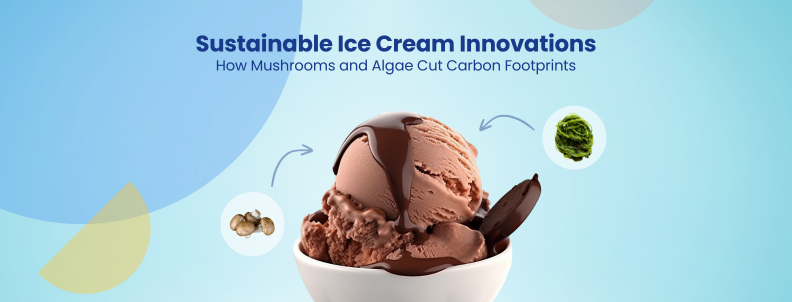
Mycelium-based ice creams are helping create a carbon-neutral manufacturing process through CO2-consuming microbes! Similarly, starch-infused ice cream formulations are reducing energy consumption during production. Algae, microbial electrolysis cells, and on-demand freezing are set to disrupt the traditional cold chain, potentially slashing emissions by up to 35%. Several emerging cutting-edge technologies promise to deliver sustainable, guilt-free […]
5 startups creating sustainable solutions with bio-based pigments

The EU’s ban on titanium dioxide (E171) due to cancer risks and environmental harm highlights the need for safer, eco-friendly alternatives that align with governmental and UN sustainability goals. In response, several startups are developing bio-based pigments that offer safer and more sustainable solutions. This article highlights five leading startups transforming the pigment industry by […]
Latest Coffee Upcycling Methods to Explore in 2025

According to sustainability researcher Gunter Pauli, coffee production generates more than 23 million tonnes of waste annually. However, these byproducts can have valuable applications that create new products! Companies and researchers are upcycling coffee byproducts into cosmetics, feedstock, and other food products to engage in the circular economy. One specific company, Kawa Project, found a […]
Biodegradable textiles: Trends tackling industry challenges in 2024

Synthetic fibers, such as polyester and nylon, have become prevalent in the textile industry, comprising 60% of clothing and 70% of household textiles. Yet, their reliance on non-renewable resources and the release of greenhouse gases and pollutants throughout their lifecycle pose significant environmental issues. Despite companies and research institutions developing sustainable textiles, they often have […]
New Bio-based Detergent Formulations to Watch in 2026
According to a study by Novozyme, less than 15% of detergent raw materials are renewable and biodegradable. The rest pollute water sources and harm surrounding wildlife. On the other hand, bio-based detergents are completely eco-friendly and gentler on the skin. Bio-based detergents will be worth $13.55 billion by 2030, accounting for 15.8% of the total […]
5 Trends in the Textile Industry Steering a Sustainable Future
Fueled by shifting consumer preferences, technological advancements, and sustainability concerns, the textile industry is undergoing a significant transformation in its traditional practices. The major textile industry trends encompass manufacturing, recycling, novel fabrics, and advanced and sustainable manufacturing methods. The industry is expected to reach $ 755.38 billion by 2027, with a compound annual growth rate […]
7 Innovations Driving a Sustainable Future in Textile
The textile industry emits 1.7 million tons of CO2 annually, accounting for 10% of global greenhouse gas emissions. Clothing and textile waste occupies at least 7% of the global landscape. This has become a primary environmental concern. Rising consumer awareness and government pressure have prompted companies in this domain to research sustainable alternatives. The Textile industry is witnessing […]
How Precision Fermentation Companies are Changing the Dairy Industry

Due to its versatility and variety of tastes, the global demand for cheese is astoundingly high. However, manufacturing cheeses the traditional way remains far from being sustainable. NRDC listed cheese among the top foods contributing to the increase in emissions between 2005 and 2014. In addition to ecological concerns, cheese production puts tremendous strain on […]