




Sakshi’s team hit a bit of a wall during an ingredient-scouting project for a leading chocolate company. The key question was simple but tricky:
“How do you even test ingredients that aren’t finished product yet?”
The team needed a way to make ingredient performance more practical, visible, and easier for the client to evaluate.
Making Ingredient Performance Easier for the Client to Compare
Approach 1: Testing Real Products That Use Similar Ingredients
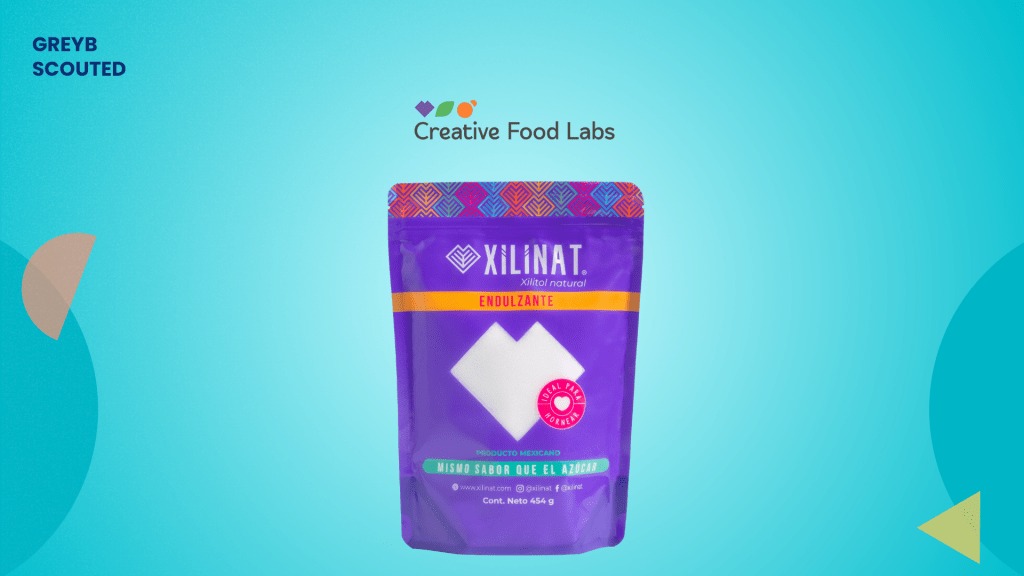
Instead of testing ingredients in isolation, the team identified and analyzed existing chocolates and confectionery products that already used similar ingredients. A list of products was prepared for procurement. Most were sourced from India, while a few came from the US. Shikhar and Rohit brought back the US products during their return trip. Another Greybian, Rishabh, who was in Europe, was also brought into the process to scout relevant products there, taste them, and share his reviews.
This helped them:
- Predict how the ingredient might translate into actual taste
- Understand flavor profiles, texture, and overall appeal
- Identify what works and what does not
- Benchmark against existing successful and unsuccessful products
- Give the client a much more tangible sense of how the ingredient could perform in the real world
In short, the team turned something abstract into something they could actually taste, compare, and respond to.
Approach 2: Building a Consumer Survey Without Relying Only on Agencies
The usual route would have been to pay third-party agencies. However, the team decided to take a more creative route.
Here’s what they did:
- Referenced existing third-party surveys and reports already available online
- Created a survey tailored to this project
- Shared it with friends and family in the US
- Posted it on Reddit to get broader, organic responses
Now, one concern was obvious: Would Reddit responses affect the quality of the data?
The team accounted for this by adding a simple filter:
- First question: “Are you a US respondent?”
- If “No,” the form ended immediately
- If “Yes,” the respondent proceeded
It was not a perfect system, but it was an effective way to keep the responses relevant.
Over the course of the week, the team procured and tested several ingredients in their commercially available forms. Each product was evaluated for taste, mouthfeel, odor, aftertaste, solubility, and repurchase intent. These findings were then cross-referenced with what consumers had reported online.
All this was done even though neither product testing nor consumer surveys were part of the original proposal.
Product Testing Became a Strategic Priority, Not a One-Time Add-On For The Client
The team presented this on a client call yesterday. Before the deck was even opened, one of the client team members mentioned that she had reviewed the update beforehand.
Her first words on the call were:
“I saw you guys did product testing — it is quite impressive. I’m curious to know, are you going to do this for all the ingredients?”
When a client asks for more of something before the team has even walked them through it, that is more than positive feedback. It is a signal.
It showed that the client was no longer seeing product testing as a one-time add-on. They were beginning to see it as a lens that could be applied consistently across the project.
Matcha Emerged as a Clear Segment Signal in Product Testing
For most ingredients, the testing confirmed what secondary research had already suggested. But for a few, it added a layer of insight that online data could not have surfaced.
1. A Color Concern Turned Out to Be Brand-Specific
For one ingredient, online reviews flagged color as a recurring complaint. However, the team did not experience this issue during testing.
This showed that the color concern was brand-specific, not inherent to the ingredient. For client, that meant it was a manageable formulation variable, not a red flag against the ingredient itself.
Without physical testing, this distinction would have been missed.
2. Acceptable Online Reviews Did Not Match the Actual Taste Experience
For another ingredient, consumer reviews online were broadly acceptable. But when the team tested the product, the flavor felt overpowering, artificial, and extra sweet.
The team also found internal color inconsistency. Some pieces were pink, while others were yellow, despite having the same flavor. No online reviewer had flagged this.
The team’s consensus was clear: they would not buy it again.
This insight would have been missed entirely if the team had relied only on secondary data.
3. Matcha’s Bitter Edge Limits Mass Appeal, but Appeals to Dark Chocolate Lovers
Matcha was the most interesting case.
Online reviews for matcha were mixed, and the team’s response was also mixed. At first, this looked like a simple confirmation of what was already available online.
But when the team looked more closely at who liked it and who did not, a pattern emerged.
The people who enjoyed the pleasant bitterness of green tea or matcha were also those who liked dark chocolate or preferred high-caffeine beverages. They already had a palate for pleasant bitterness.
This is not something an online survey would have revealed because reviewers usually do not describe themselves that way.
So, what looked like a generic “mixed review” online became a segment signal. Matcha’s bitterness may not be a problem to fix. It may be a targeting lever.
This was especially relevant because the client already played in the dark chocolate space.
Discover Ingredients That Match Your Product’s Vision
Most companies spend 18-24 months developing a single new product, with ingredient sourcing consuming nearly 40% of that timeline.
GreyB’s Ingredient Scouting service helps food, beverage, nutraceutical, and consumer goods teams identify promising ingredients, evaluate their technical and market relevance, benchmark available alternatives, and shortlist options that are more likely to work in real product pipelines.
Need a sharper shortlist for your next formulation or innovation pipeline? Schedule a consultation with our experts today.
Schedule a Consultation With Our Experts Today
Get in touch by filling out the form below