



When Coca-Cola filed a patent for supercooled beverage nucleation — a technology that turns a chilled drink into an instant slush through a single gas pulse — it signaled how deeply engineering, biology, and consumer experience are converging in a cup.
This innovation is evidence that consumers are no longer satisfied with just hydration. They want energy without crashes, protein without chalkiness, sustainability without compromise, and personalization without complexity.
Simultaneously, regulatory pressure on sugar, plastic packaging, and carbon emissions is forcing companies to innovate at an unprecedented pace.
This article explores the latest wave of beverage innovations, from precision fermentation to functional wellness drinks, offering research professionals a front-row view of where the industry is heading.
1. Fermented Mushroom Coffee Beans
Mushroom coffee is gaining significant momentum as consumers seek functional beverages that support focus, immunity, and overall wellness.
As a result, Mushroom coffee has expanded from a niche novelty to a mainstream phenomenon in recent times, with social discussions increasing by more than 12% in the past year.
However, most products currently on the market follow a simple formulation strategy: roasted coffee blended with mushroom extracts or powders.
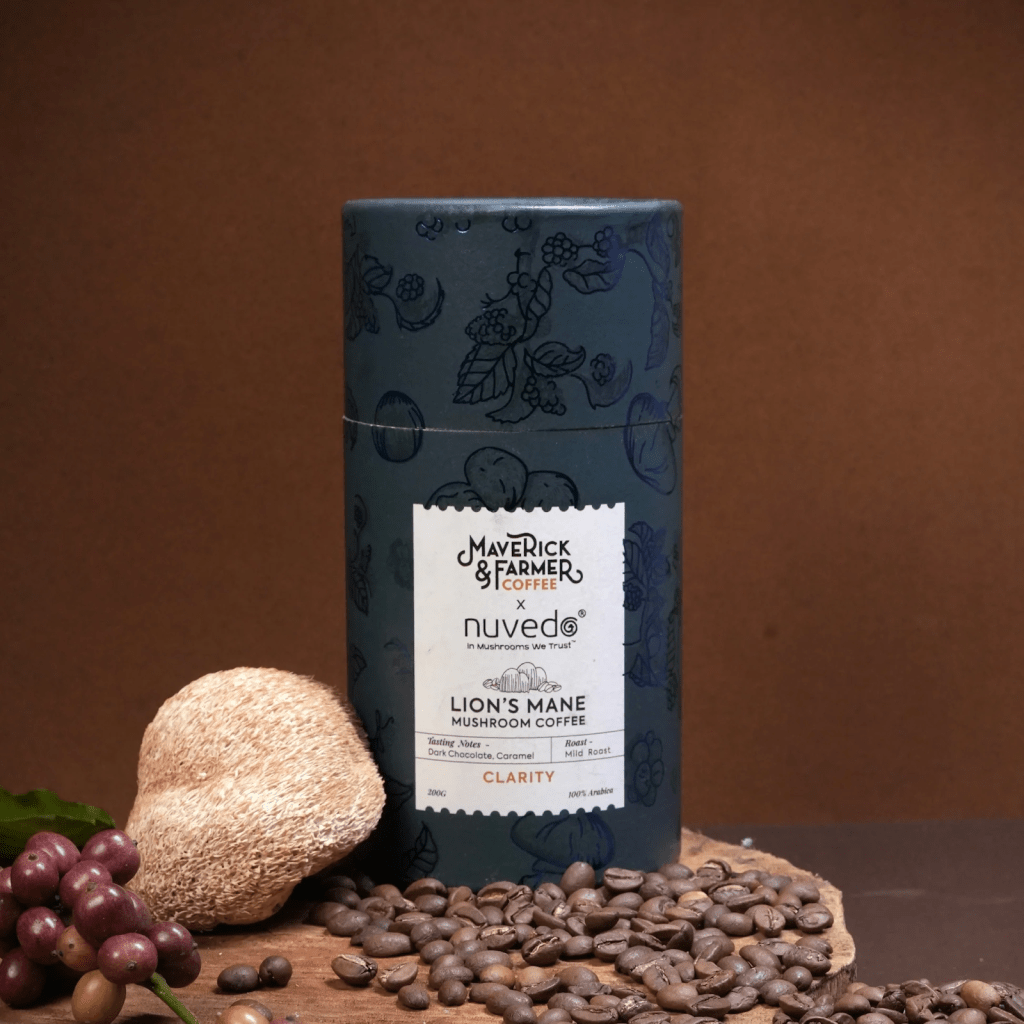
While this approach enables functional positioning, it does not fundamentally change the coffee matrix itself. The mushroom component is additive rather than transformative.
Blended systems do little to address inherent bitterness in coffee, harshness in flavor, or variability in the delivery of functional compounds. They also rely heavily on post-processing formulation rather than upstream ingredient engineering. As the category matures, differentiation will likely depend on deeper integration of functionality at the raw material level.
Dolsan Mushroom Farming and Well Coffee’s patented method signals a next-generation shift. Instead of mixing mushroom extracts into finished coffee, the technology applies controlled mycelium fermentation directly to green coffee beans before roasting. Using plant-extract pretreatment, sterilization control, and grain-solid-type mushroom inoculation, the process enables uniform colonization with a lower risk of contamination than liquid systems.
More importantly, it allows biochemical transformation of the bean itself.
This produces a fermented coffee base with reduced bitterness, enhanced aromatic complexity, and potentially higher levels of bioactive compounds, such as antioxidants. For innovation teams, this represents a biotransformation platform rather than a formulation tweak. It opens opportunities for precision flavor modulation, clean-label functional enhancement, and premium positioning in RTD and specialty coffee formats.
2. Plant Fiber Blend for Beverage Texture
Powdered beverage mixes often rely on gums, such as xanthan or guar gum, to impart viscosity and texture. However, these gums can produce an unpleasant “gummy” mouthfeel after reconstitution or consumption. There is a need for a formulation that improves texture without creating undesirable sensory effects.
Givaudan SA is developing (US20240251829A1) a mouthfeel-improving composition comprising two types of plant-derived fibers: at least one carbohydrate fiber that is not a beta-glucan and at least one beta-glucan fiber. Rather than relying solely on traditional gums for thickening, this dual-fiber system is designed to produce a smoother, more balanced texture.
When added to a powdered beverage mix or a ready-to-drink beverage, the combination synergistically enhances body and creaminess without producing a sticky or overly viscous sensation. The formulation can be incorporated directly into dry beverage powders before reconstitution.
By carefully selecting and combining these plant-derived fibers, the invention improves mouthfeel, perceived texture, and overall sensory quality while avoiding the drawbacks of gum-based thickening systems.
Clinical studies demonstrate that this fiber system increases vitamin C bioavailability by 25-35% and probiotic survival by 40-60% compared with beverages without the protective fiber matrix, while matching the mouthfeel quality of sugar-sweetened beverages at 50-70% lower calorie levels.
3. Crash-Free Energy Drink Formulation
PepsiCo is developing a method for designing energy drinks that deliver longer-lasting energy without a sudden crash. Their approach measures the extent to which a stimulant (e.g., caffeine) enters the bloodstream and the degree to which a person feels energized. Using this information, they adjust the drink’s formula to deliver smoother, steadier energy.
Energy drinks provide short-term stimulation, often causing a sharp spike in energy followed by a crash. Increasing stimulant doses to prolong alertness can lead to adverse effects, including jitteriness and tachycardia. There is a need for a beverage formulation that delivers sustained energy without adverse physiological responses.
The invention provides a more effective method for designing energy drinks that deliver steady energy without causing crashes or adverse side effects.
After a person drinks the beverage, the system measures the concentration of the stimulant (e.g., caffeine) in their blood over time. It also tracks how they feel—such as their alertness, mood, jitteriness, or tiredness—using simple rating scales. In some cases, heart rate and blood pressure are also monitored.
This information is then used to adjust the amount or combination of stimulants in the drink. In more advanced versions, a machine learning model analyzes the data and predicts the optimal formula to deliver longer-lasting energy with fewer adverse effects.
Based on these results, the drink can be reformulated with the right type and amount of stimulants. The goal is to provide sustained energy for several hours rather than a brief spike followed by a crash.
Read our recent publications
4. Aerosol Spray-Delivered Functional Beverage
Suntory Holdings Limited is developing (US20240341328A1) functional beverages delivered via aerosol-type spray containers (bag-on-valve systems) that significantly reduce perceived unpleasantness while ensuring quality, stability, and microbial control.
This patent addresses a key problem in beverages containing added functional ingredients, such as vitamins, amino acids, polyphenols, or caffeine. These ingredients often make drinks taste bitter, sour, or unpleasant.
When such drinks are sprayed directly into the mouth using an aerosol container, the bad taste becomes even stronger because the liquid spreads quickly across the tongue. It is difficult to maintain both good flavor and ingredient stability simultaneously. In addition, changes in pH, sweetness, or acidity can reduce spray performance. The challenge is to create a stable, good-tasting beverage that sprays effectively into the mouth.
The invention solves this problem by designing a carefully balanced beverage composition suitable for oral spraying. The drink contains controlled amounts of functional components, including vitamin C, thiamine, niacin, vitamin B6, caffeine, citric acid, and specific amino acids. Keeping these ingredients within defined ranges reduces excessive bitterness and harsh aftertaste while preserving their intended benefits.
The beverage maintains high water activity and a controlled acidity level, supporting ingredient stability and ensuring proper spray performance. The pH range is selected to maintain flavor balance without causing irritation.
Sweeteners such as xylitol, erythritol, acesulfame potassium, sucralose, and stevia are included to mask unpleasant tastes and improve overall mouthfeel. These sweeteners impart a clean, mild sweetness without overpowering the drink.
The formulation is optimized for use in an aerosol spray container, ensuring smooth spraying and uniform spreading in the mouth. By balancing ingredient levels, acidity, sweetness, and spray compatibility together, the invention achieves improved taste, stability, and effective oral delivery.
5. Oxygen-Based Coffee Preservation
Kerflummox Holdings is developing a method for manufacturing shelf-stable packaged coffee that prevents the growth of C. botulinum by using dissolved oxygen rather than thermal processing.
Nitro and cold brew coffee are low-acid, sealed, and often stored in the absence of oxygen. This creates an environment in which Clostridium botulinum (C. botulinum or C. Bot) can grow.
C. Bot produces botulinum toxin, one of the most dangerous foodborne toxins known.
Traditional safety methods such as high heat, added salt, or lowering pH can damage flavor, increase cost, or change the product’s taste profile.
The new method introduces a processing step that intentionally adds controlled amounts of oxygen to cold brew or nitro coffee before sealing the container. Normally, the industry removes oxygen, but this invention does the opposite.
First, oxygen dissolves in brewed coffee to specific concentrations (e.g., 18–36 ppm). Subsequently, nitrogen may be added to achieve a creamy nitro effect. The product is packaged in a sealed can or bottle containing both oxygen and nitrogen.
Because C. bot grows in oxygen-free (anaerobic) environments, oxygen inhibits its growth. This allows the product to avoid extremely high-temperature retort processing. Instead, a gentler heat treatment (e.g., approximately 145°F for a few minutes) can be used.
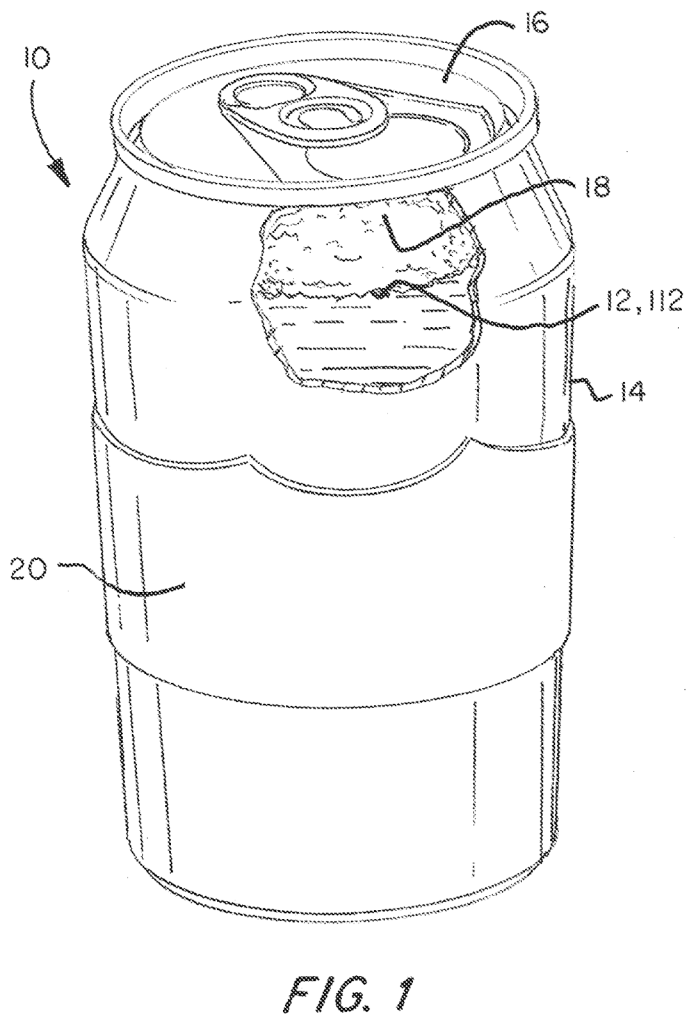
The result is a coffee beverage that is safe, shelf-stable for up to 180 days or more, and maintains better flavor—even with milk or sweeteners added.
The key innovation here is reversing industry practice by deliberately dissolving controlled oxygen into low-acid coffee before nitrogen infusion and sealing. This controlled oxygen environment suppresses C. bot growth while preserving flavor and enabling lower-temperature pasteurization. It precisely balances oxygen levels (liquid ppm and headspace percentage) to maintain safety without compromising taste.
Read our recent publications
6. Recombinant Casein Micelles for Plant-Based Dairy
Plant-based milk alternatives are increasingly replacing bovine milk due to allergies, lactose intolerance, and sustainability concerns. However, they lack casein micelles and the associated structural and functional properties required to produce cheese, yogurt, butter, and cream, creating a significant need for dairy substitutes that mimic the performance of real milk.
Plantopia’s novel dairy analog employs precision fermentation to produce recombinant α-, β-, and κ-casein proteins that more closely resemble native milk proteins.
The core innovation lies in recreating casein micelles, the natural protein structures responsible for milk’s texture and functionality, using recombinant casein proteins produced without animals. Instead of relying solely on plant proteins, the invention combines recombinant αS casein (αS1 and/or αS2), β casein, and κ casein in a specific weight ratio (2:2:1 to 6:6:1).
These proteins are assembled in water with calcium and phosphate ions, which are essential for micelle formation, as in bovine milk. Controlled processing conditions, such as heating, cooling, or sonication, facilitate the self-assembly of proteins into stable micelles.
The resulting micelles are engineered to match natural milk in particle size (100–1000 nm) and zeta potential, ensuring similar stability and behavior during processing. By mimicking the structure of real milk micelles, the composition enables plant-based dairy products to exhibit improved melting, thickening, and fermentation performance, making them suitable for cheese, yogurt, butter, and cream production.
7. Probiotic Drink for Menopause Relief
One major challenge in the menopause space is addressing both physical and mental symptoms at the same time.
Women experience fatigue, poor sleep, irritability, mood swings, and body discomfort for many years. Traditional solutions often focus on hormone replacement or herbal extracts, but these may not work for everyone and may carry limitations in long-term use.
There is a growing need for alternative, safe, and daily-consumable options that can be integrated into lifestyle products, such as beverages.
Asahi’s innovation reflects a move in that direction. The company proposes using the probiotic strain Lactobacillus gasseri CP2305 to improve menopausal symptoms.
The innovation lies in targeting the gut–brain connection to influence mood, sleep, and overall comfort. The probiotic is intended to improve both mental symptoms (such as insomnia, anger, irritability, and depression) and physical symptoms (such as fatigue, headache, dizziness, and body pain).
By targeting gut-related pathways and potentially influencing the gut-brain axis, the strain may reduce menopause-related discomfort.
By incorporating a clinically identified probiotic into drinks, Asahi positions itself to develop functional women’s health drinks that combine microbiome science with convenient daily consumption.
Conclusion
Apart from the above innovations, breakthroughs continue to emerge.
From the use of pulsed electric fields to extract coffee compounds in minutes to precision-fermented dairy proteins that are functionally identical to cow’s milk, prominent beverage companies, research institutes, and startups are tackling every challenge.
The science driving beverage innovation is accelerating faster than most market reports can capture.
If you are an R&D or innovation professional looking to explore the entire innovation landscape or a specific segment, reach out to us.